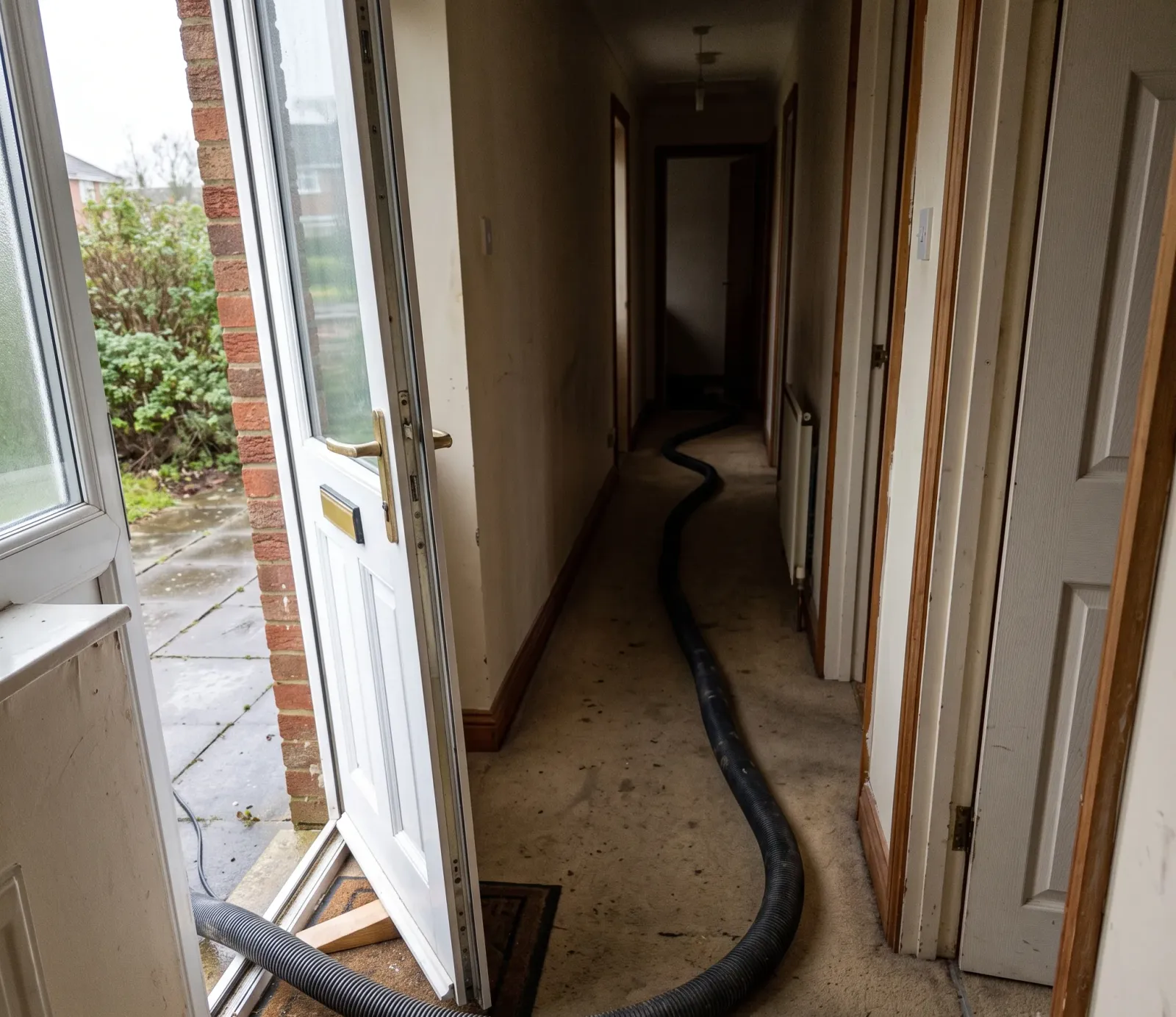
Emergency Response Time
How quickly can extraction help reach a Concord home? Learn what to report, what can affect an arrival estimate, and what to ask while waiting.
Read article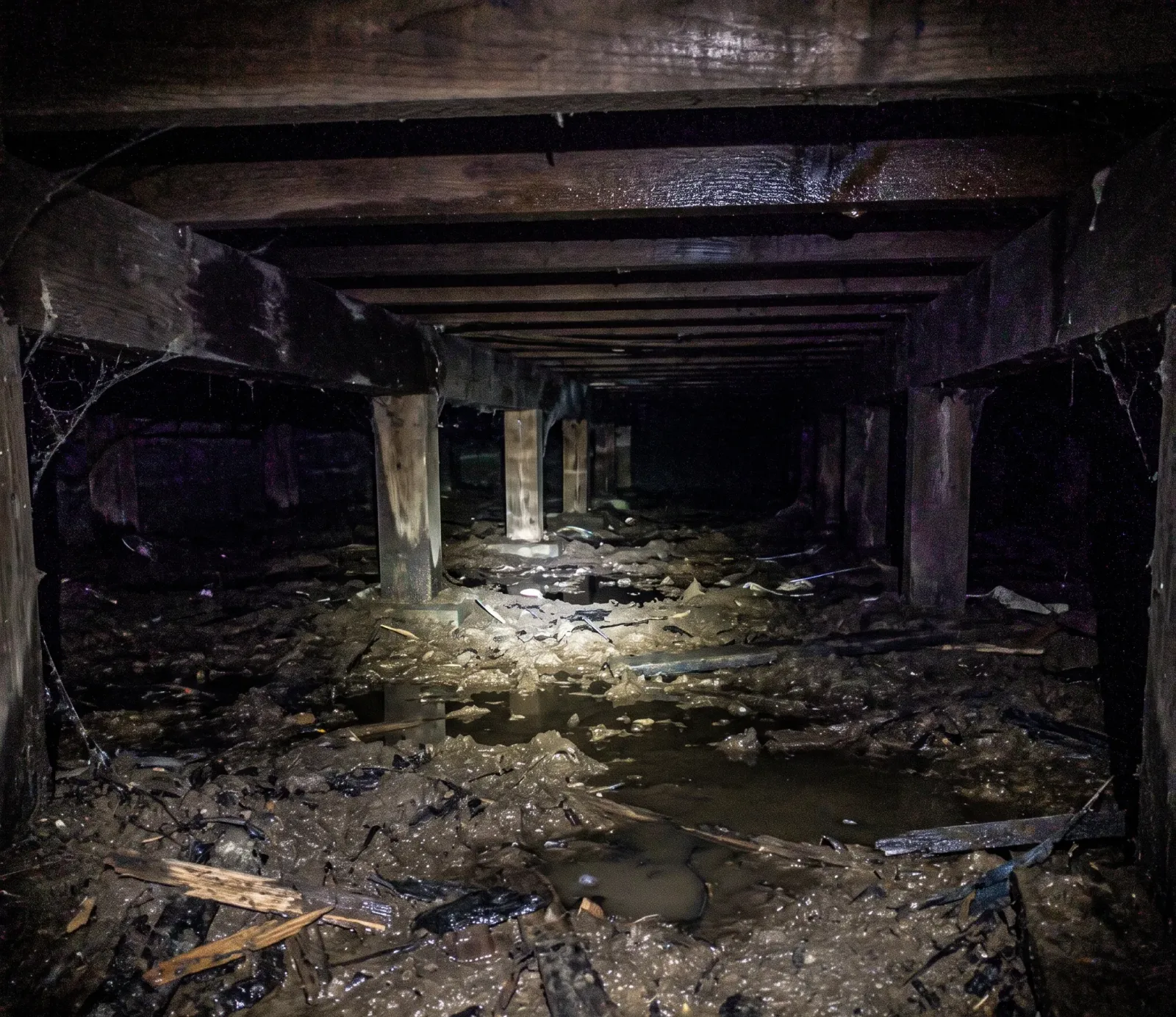
Pooled crawl-space water removal planned around entry, clearance, and safety
Concord’s year-round rain can leave a crawl space holding water even when the living rooms look unchanged. In a ranch or split-level, the first clue may be a damp odor or a dark patch seen from outside the hatch, while water sits farther beneath the floor. Lot grading and drainage differ from one home to the next, so the town name alone says little about what has collected or whether the space can be reached safely.
Standing water can spread across a low area and collect around supports, so its visible edge may not show its full reach. The pros we connect you with check the hatch, clearance, utilities, and how far the pool reaches before choosing equipment. Volume, distance from the opening, and barriers affect setup, cost, and duration. If the entry or nearby utilities may be unsafe, stay out and describe the conditions from a safe place.
In Concord and Mount Pleasant, Kannapolis and Harrisburg, drainage and nearby creeks frame local context, but Irish Buffalo Creek cannot establish a building's condition; Crawl Space Water Extraction follows the intrusion indoors.
When water reaches a lived-in home, residential emergency water extraction lays out that service; commercial emergency water extraction is for owners handling extraction at rental or business properties.
A glint of water at the hatch can mark only the edge of a larger pool. Joists and supports may hide the rest, so a homeowner should not assume the visible patch is the full area. From dry ground, note where the water appears to begin and whether anything can be seen farther in. Those observations help the pros we connect you with plan a reachable route without asking the owner to crawl inside.
A hatch that will not open fully, sagging framing, or a path crossed by exposed wiring is a reason to stop at the opening. Tight clearance can make an ordinary reach unsafe, and water near electrical equipment adds another hazard. Keep people out of the space and tell the provider what is visible from outside. A difficult entry may change whether the pooled area can be reached with equipment.
An unusual odor, oily sheen, or visible residue deserves mention before anyone handles the water. Those clues do not identify what is in the pool, but they can change how the job is approached. Keep clear and tell the provider about the appearance and any known source. Water can sit beneath stored items or debris, so a quick look at the open surface may miss part of the pool.
The owner can point out areas where water has spread beyond the first visible pool.
The reachable route and pool location are matched to the equipment; low framing or barriers can change setup and scope.
A pump or wet vacuum is selected for the accessible area, then used to collect pooled water that the equipment can reach.
The removal plan may need to change if the pool extends beyond the equipment’s reach.
Water beneath a Concord home can remain out of sight while the rooms above appear ordinary. In a ranch or split-level, supports and low framing can hide parts of the crawl space and restrict where equipment can go. Water that reaches insulation can leave it compressed or sagging, even after the pool is removed. A separate moisture assessment and drying may follow, while repairs to the water source require separate work.
Concord’s Planning and Development Services provides floodplain information for city planning questions. That resource does not describe the condition beneath a particular house: it cannot show whether a hatch opens, how much clearance is available, or how far water has spread. For an extraction assessment, report those physical details directly. A map reference and an on-site view answer different questions.
Ask for a written scope that names the crawl-space areas the estimate includes, the removal approach, and any limits caused by the entry or framing. Concord properties differ, so a clear description helps the owner see what the agreed work covers. Keep the estimate and removal notes for the household records; insurance decisions depend on the policy and loss.
A Concord Crawl Space Water Extraction estimate can shift with depth, room count, and access; ask the pros we connect you with to record the arrival fee and included tasks.
| Rooms and Surfaces | Pooled Water Cleared | Damp Materials Ahead |
|---|---|---|
| Minor pooling | Creek Park reference: surface water pickup limited to reachable flooring | an estimated $800–$1,600 |
| Floor section | Visible pooled water cleared within the estimate’s accessible work boundary | an estimated $920–$2,080 |
| Interior span | Concord floor-area extraction: reachable pooling only, excluding source repair | an estimated $800–$1,600 |
| Entire building | Open-floor water pickup within the estimate’s stated room boundary | an estimated $1,920–$6,400 |
A proposal may change when moisture checks or drying are added after extraction. The amount of water left in floors or walls can affect how much removal work is needed. Compare each addition with the water-removal charge, then consult the broader pricing guide before approving expanded work.
Stay out if the hatch area, wiring, or water makes entry unsafe. For crawl space water extraction in Concord, tell the pros we connect you with where the hatch is, the clearance you can see, and where water is pooled; note wet outlets or equipment. If water is still entering, mention that so its source can be considered separately from the pooled water. Wiring along the route to a pool can affect whether it is safe to reach. Moisture checks and drying come afterward.
A pump may suit an open, reachable pool, while a wet vacuum can be useful where the water is shallow or access is tighter. The space and reach determine what is practical. The pros we connect you with can explain the method after checking the hatch and the location of the pooled water.
Time depends on the pool’s size, its distance from the opening, and how easily equipment can reach it. A narrow hatch or low framing can slow setup and movement. Moving hoses or equipment around supports can add time beyond pumping itself.
Stay outside the crawl space. From a dry, stable spot, note the hatch location, whether it opens, and where water is visible. Share any concerns about wiring, utilities, odor, or residue when arranging an assessment. Photos taken from a safe position may help explain what the owner can see.
Do not approach or enter the space if water may have reached outlets, wiring, or other electrical equipment. Electricity may come from a source that is not obvious from the hatch. Tell the provider what utilities are nearby and what can be seen from outside; do not touch equipment to investigate.
If the water came from a known leak, note when it was first noticed and what changed. Photos from a safe position can show what was visible before work, and removal notes can help the owner explain the service to an insurer. These records support communication; they do not determine whether a policy covers the loss.
Emergency Water Extraction has an estimate of $700–$1,400 for this work. Water volume, affected materials, access conditions, and the agreed scope determine the amount the provider confirms.
If water may have reached outlets, pause entry until a qualified person can assess safety.
How quickly can extraction help reach a Concord home? Learn what to report, what can affect an arrival estimate, and what to ask while waiting.
Read article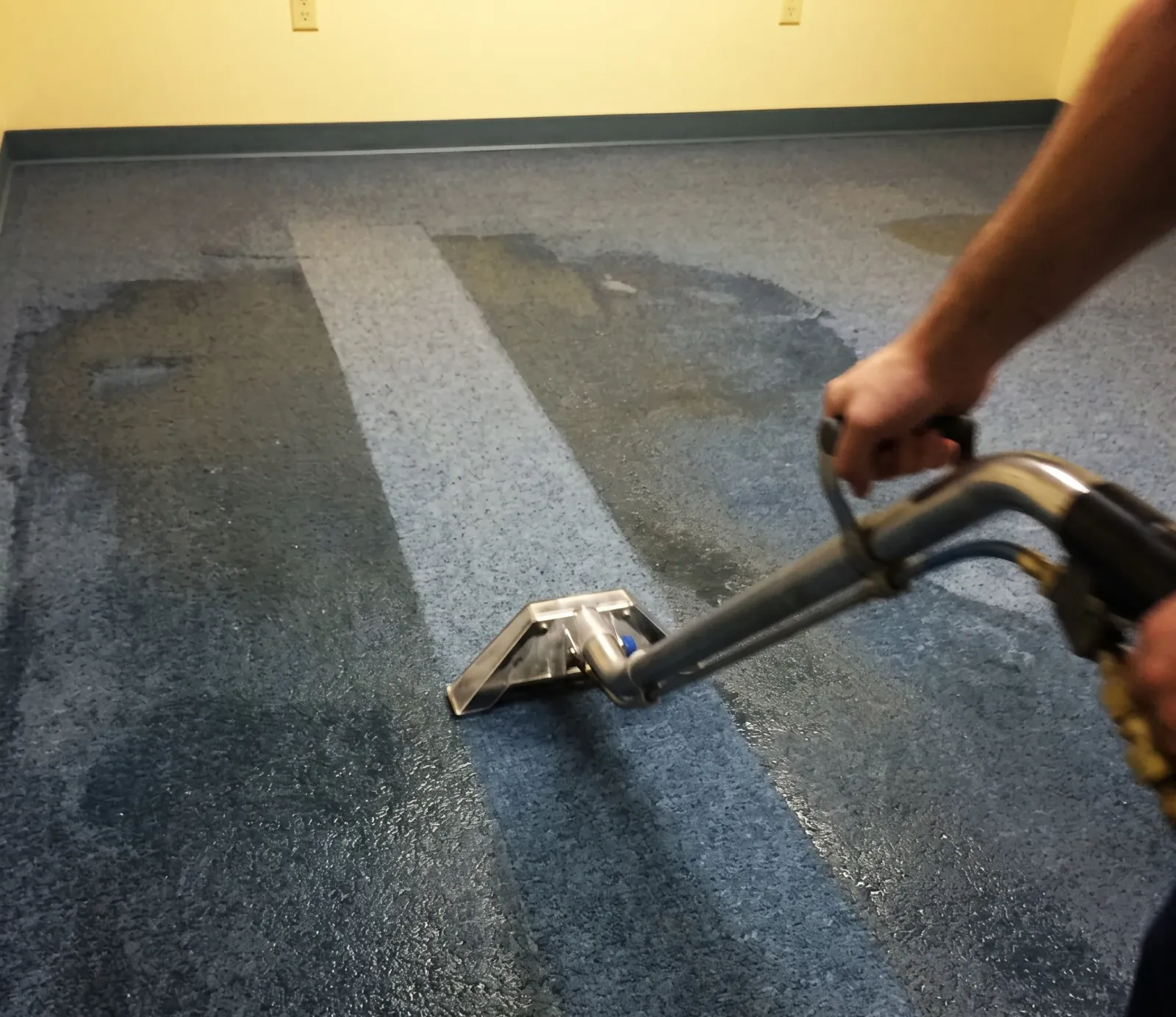
How long does emergency water extraction take in Concord? A continuing water source can change the clock. Learn what a local duration estimate counts and what to ask.
Read article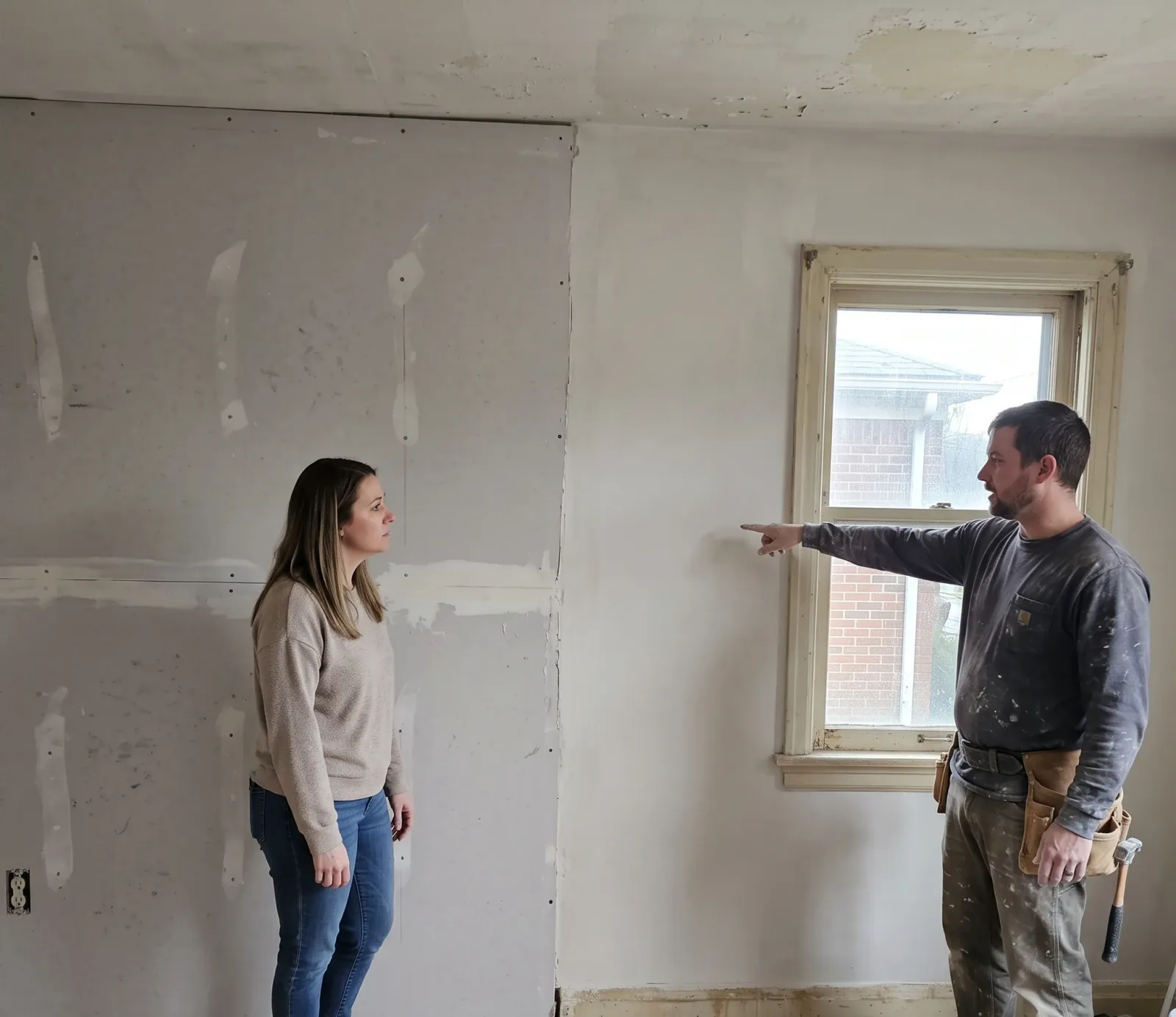
Learn when electrical uncertainty or hidden floor hazards make walking through standing water unsafe, and how to keep people clear while a professional plans a safe assessment.
Read articleA street or neighborhood name helps locate a request, but it cannot show what happened inside a property. When asking about Emergency Water Extraction in Concord, give the service address and describe the rooms involved, any obstacles to reaching them, and whether water is still entering. Ask what timing may be possible and whether an initial visit is charged. A written account of the proposed removal work can clarify what is included before the owner agrees to proceed.
Call (704) 209-7411