Stop When Electrical Safety Is Unclear
Do not walk into standing water when you cannot tell what lies beneath it or whether nearby electrical equipment is affected. In Concord, the safe stopping point is the edge of the wet area: a ranch entry, a split-level landing, or a room off the garage can hide hazards from view. This page looks at two reasons to stay back—possible electrical danger and unreliable footing—then explains how to keep others clear and what to share with a professional.
A darkened room, wet outlets, appliances, or wiring near the water are reasons to keep out. Water can reach equipment beyond the puddle the owner sees, and a switch or device may be affected without an obvious spark or sound. If the utility condition is unknown, do not test equipment or cross the room to check it. Leave the area and ask qualified help to determine whether entry is safe; uncertainty is enough reason to wait.
Hidden Floors and Slick Surfaces
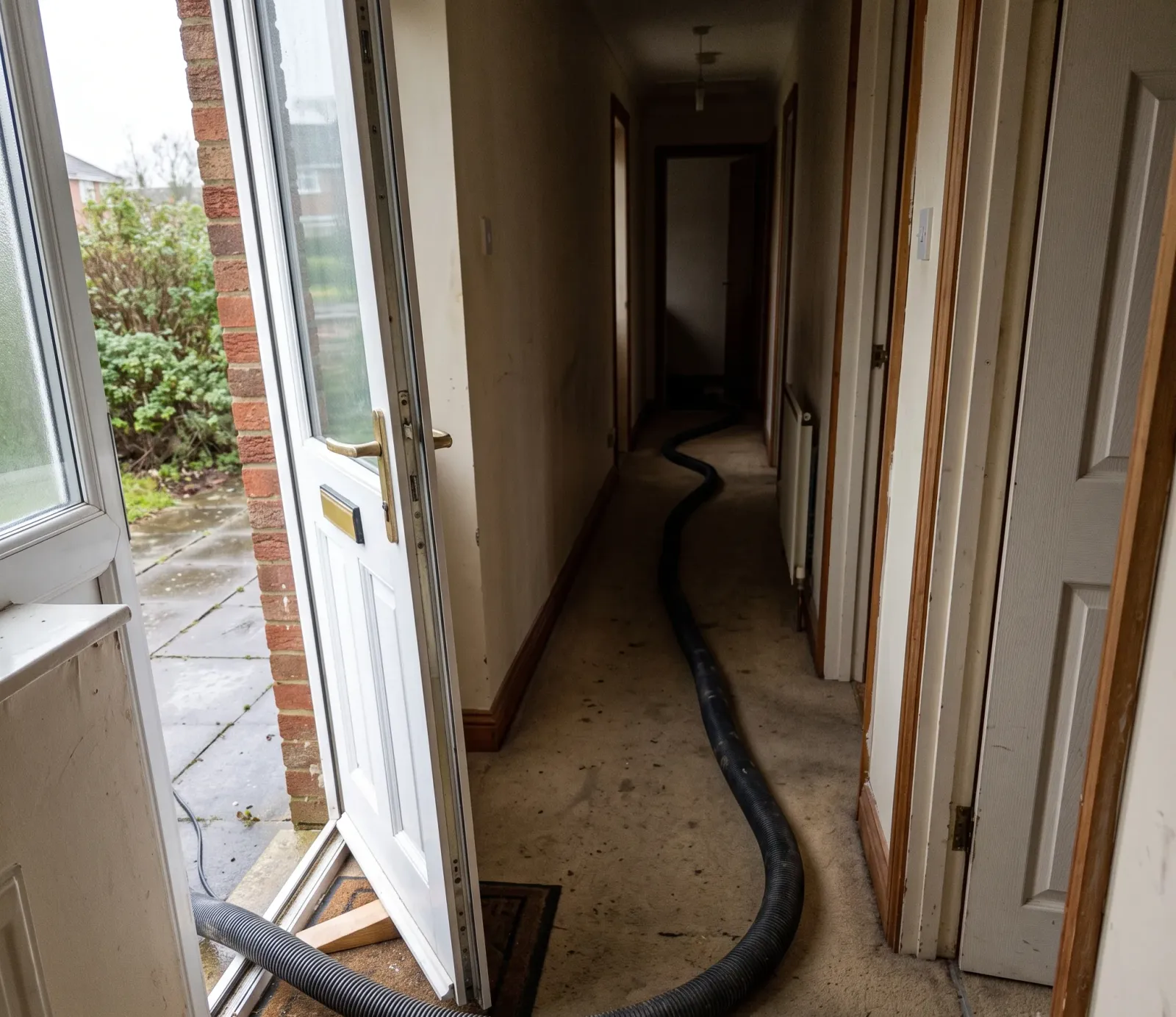
Even when no electrical concern is visible, water can hide a dropped object, a lifted floor edge, or a step down into a lower room. In a split-level home, the surface may conceal where the landing ends; in a ranch, a loose mat or clutter can shift underfoot. A clear view from the doorway does not reveal the floor’s grip or strength. If the route is submerged or its surface cannot be judged, do not use it.
The dry-looking edge can be treacherous too. Water tracked onto tile or a smooth entry floor can make a narrow path slick, and damp steps may be hard to see in dim light. Concord’s named places, including Village Park, do not tell an owner what a particular home’s floors are like; the room itself has to be assessed. Keep to a known dry route only if it does not require passing through or reaching over the affected area.
Keep Household Members Outside
Once an area is off limits, keep the boundary simple and easy to follow. Move children and pets to another part of the home, and ask household members not to retrieve shoes, toys, or other belongings from the wet room. Near Bakers Creek or elsewhere in Concord, local surroundings cannot establish whether a home is safe to enter. The immediate room conditions matter, so keep everyone away until someone qualified can assess them.
Use a closed door or a barrier placed from a dry, safe position to discourage anyone from entering. Do not cross the wet floor to set a warning sign or block a doorway. If a safe boundary cannot be made from outside the affected area, tell household members where to stay and keep watch from dry ground. That prevents a quick trip for one item from becoming another person’s fall or exposure.
Arrange a Safer Assessment
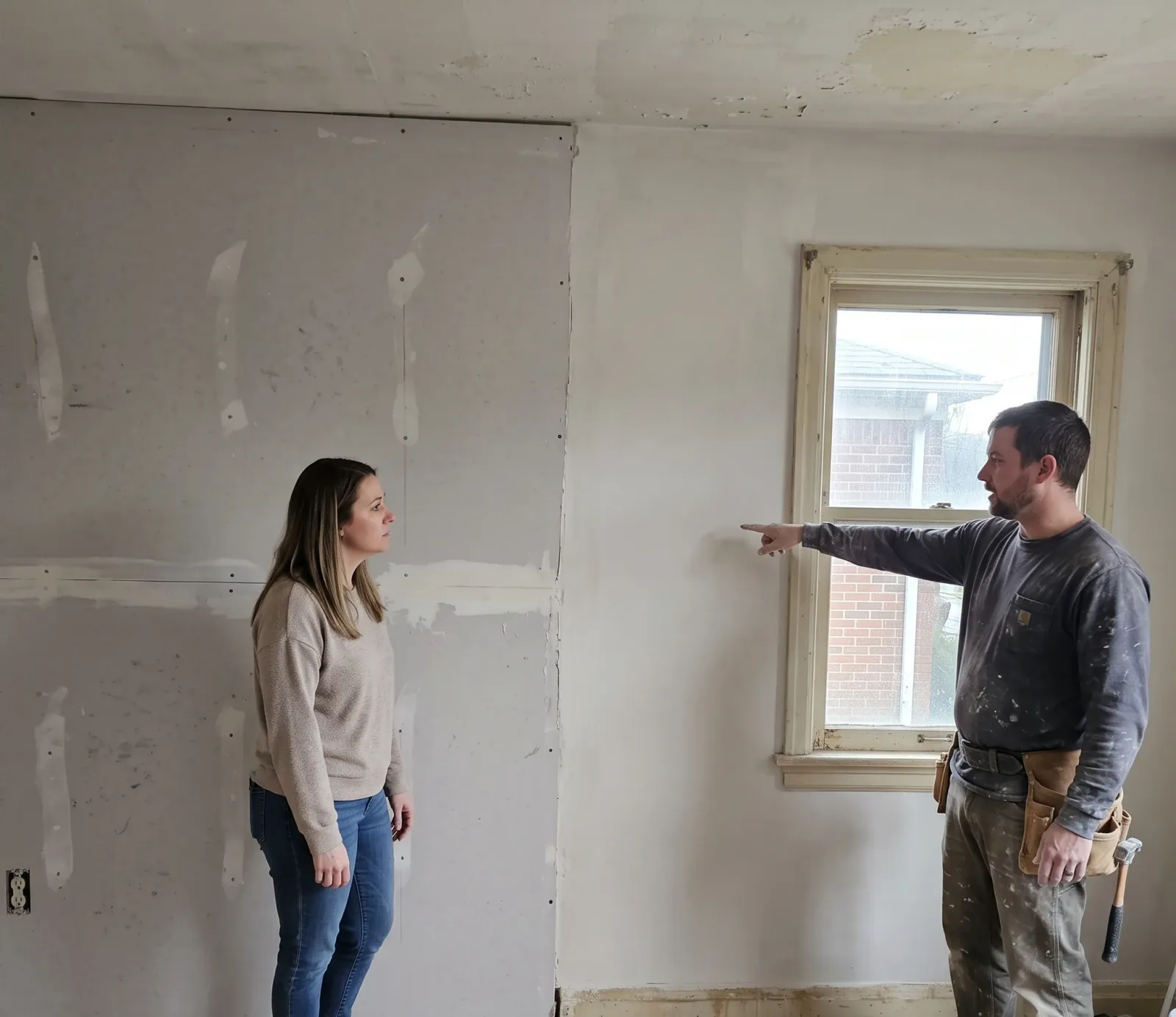
From a dry spot, note where water is visible, which rooms or levels appear affected, and any nearby outlets or equipment you can see. A homeowner in Concord can give those observations to the pros we connect you with without exploring the house. Mention whether a safe route is unclear and whether anyone has already entered. Those details help the professional plan how to approach the assessment; they do not establish that the hidden floor or materials are safe.
Ask the professional what must be checked before anyone enters, and where household members should wait during that assessment. Water removal can clear pooled water, but it does not by itself show that a floor is sound or that damp materials are dry. A homeowner near Safrit Park, as anywhere in Concord, should stay out until qualified help says the route is safe to assess. If conditions change while waiting, report that before anyone approaches.
Dealing with standing water at your home?
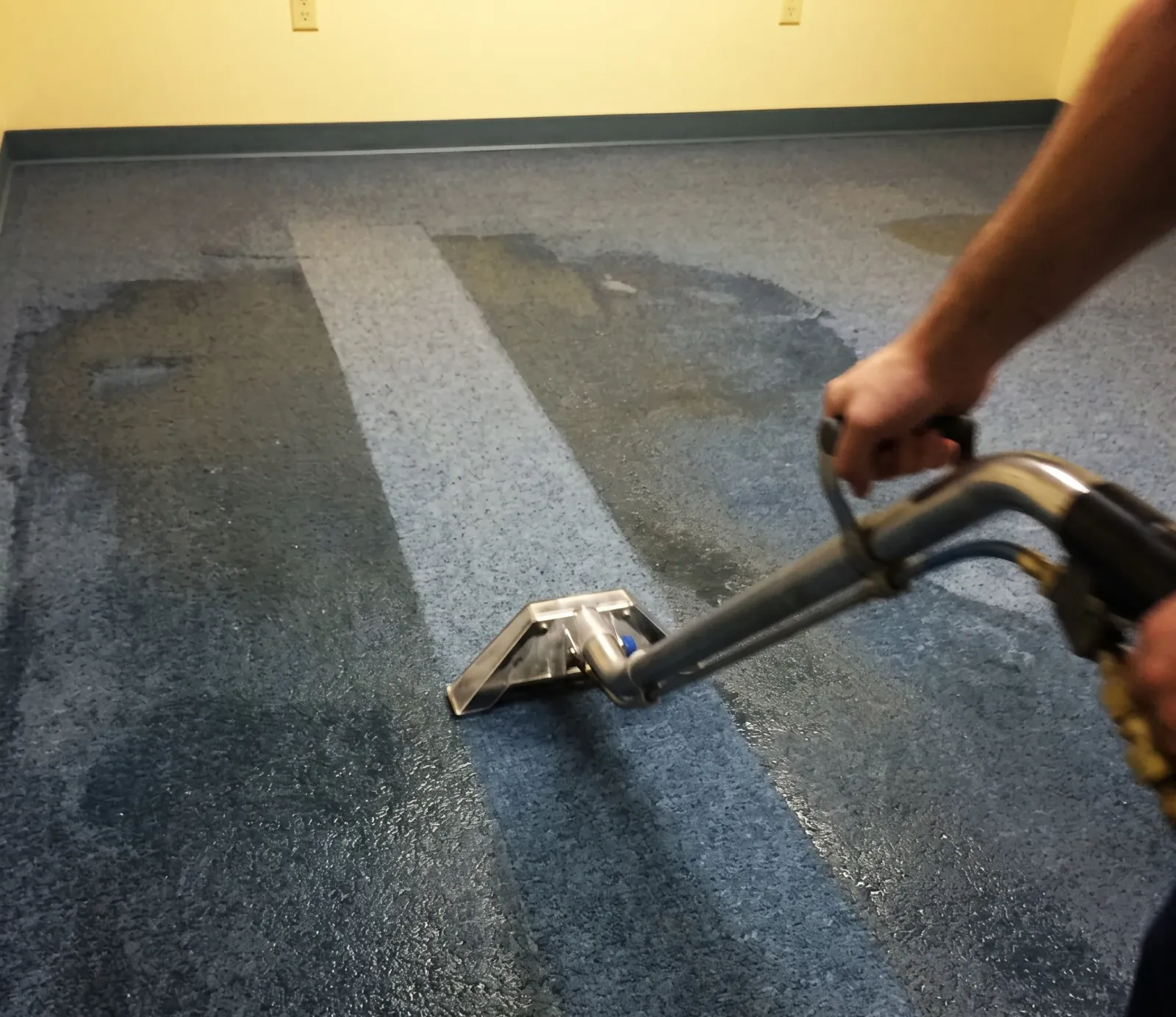
Is water still moving through the house, and can anyone reach it safely? Water can spread beneath flooring and behind walls before the surface looks badly damaged. Ask whether the crew can check hidden areas and document moisture before drying begins. A ranch near Creek Park and a split-level near Mallard Creek Greenway can present different access conditions. Extraction removes pooled water; drying, stopping the source, contaminated-water cleanup, and rebuilding may need separate work. Before proceeding, clarify what the estimate covers and which steps are outside it.