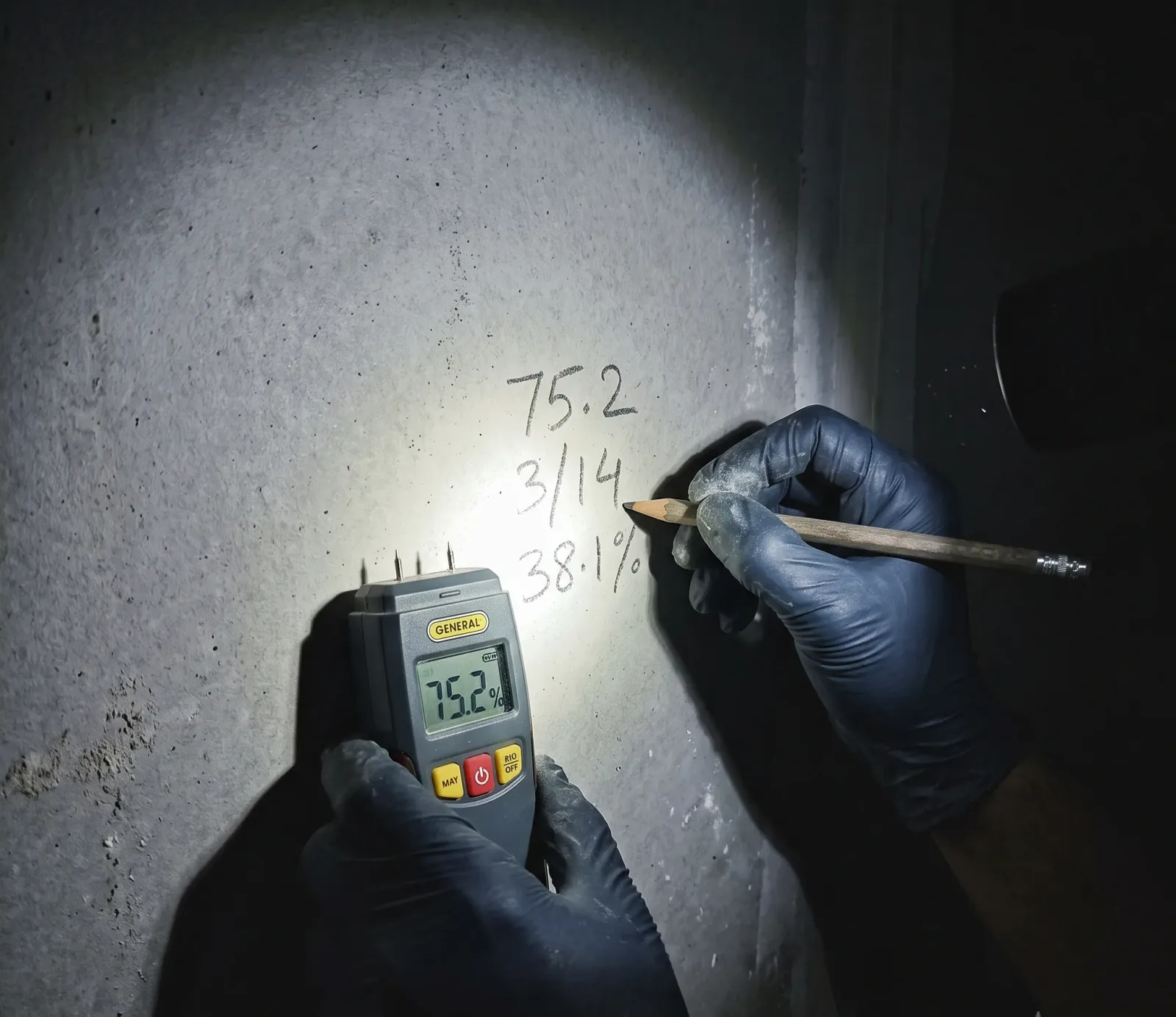
What affects emergency water extraction cost in Concord, NC?
The estimate should say whether it assumes the water source has stopped. In Concord, the cost of emergency extraction cannot be set from a town name alone. The estimate depends on how much water must be removed, where it has reached, how the property can be accessed, and which services are included. Ask for the removal work to be listed separately from moisture checks and drying equipment. No property assessment means no dependable local price range.
A Concord estimate should make clear what the quoted work is meant to accomplish. Water removal addresses pooled water; a moisture assessment checks for damp materials, and drying equipment may be needed afterward. Those steps can appear as separate charges, so ask the pros we connect you with to identify each one in writing. Ask whether the request is for extraction alone or includes follow-up services. The estimate should describe the areas included and say what would require a revised scope.
Estimate Emergency Water Extraction Costs in Concord
Say whether extraction is the only service being requested. In Concord, a street or landmark such as North Union Street or Edgewood can help identify the address. Mention stairs, locked areas, or access arrangements before a visit is planned. These details help frame the request; the estimate still needs to reflect the property and the work agreed upon.
Set the affected space and standing-water depth in the controls for a planning figure; that figure does not authorize work. Before a start, get the extraction scope and any separate drying charges in writing. If JavaScript is unavailable, the controls may stop responding, while the page’s guidance remains readable.
Use this as a planning guide, not a provider's quote. An assessment can change the work based on water quantity, access, affected materials, and whether moisture reached hidden spaces or calls for drying. Have the provider confirm the proposed tasks and charges in writing.
Emergency Water Extraction Estimates in Concord by Service
A written plan should show how the work proceeds: removal first, then any moisture assessment, followed by drying equipment if needed. Those are distinct tasks, and the estimate should say which ones are part of the proposed service. If checks after extraction uncover damp materials, the next step may need to be discussed before it is added. Ask how changes will be explained and priced. That gives the owner a clear point to review the scope before additional work begins.
| Service | Work That May Be Part of Extraction | Guide range | Timing and added charges |
|---|---|---|---|
| Crawl Space Water Extraction in Concord | Entry, water volume, equipment, safety review | an estimated $800–$1,600 | Confirm extraction timing and added charges |
| Carpet and Pad Water Extraction in Concord | Wet area, carpet access, pad handling | an estimated $400–$2,000 | Confirm extraction timing and added charges |
| Basement Water Extraction in Concord | Access review, pump-out scope, work notes | an estimated $700–$1,400 | Confirm extraction timing and added charges |
| Hardwood Floor Water Extraction in Concord | Surface pickup, floor access, condition notes | an estimated $600–$2,200 | Confirm extraction timing and added charges |
How the Water Level Shapes the Work
The amount to remove is not always fixed when an estimate is requested. If water continues entering, the volume may grow; once the source has stopped, the provider can assess the water then present. If the affected area changes, ask whether the extraction estimate needs to be reviewed. In Concord, a clear account of whether water is still accumulating helps the owner understand what the extraction estimate assumes.
| Job size | What extraction covers | Estimated cost | Typical time on site |
|---|---|---|---|
| Basement room reach | Concord basement water removal: list room reach, equipment route, and moisture checks | an estimated $700–$1,400 | Ask when basement access is assessed |
| Crawl-space entry clearance | Crawl-space extraction near Coddle Creek; note clearance, water reach, and hose handling | an estimated $920–$2,080 | Discuss entry setup before scheduling |
| Carpeted floor coverage | Carpet and pad removal in Edgewood; record wet-room coverage and material layers reached | an estimated $400–$2,000 | Ask when affected rooms can be cleared |
| Hardwood pooling extent | Hardwood water removal around North Union Street; identify pooled areas and floor access | an estimated $1,440–$8,800 | Discuss hardwood work sequence on call |
Scope by Room and Property Area
The route into the affected space matters because equipment and people need room to reach the water. A narrow doorway, stairs to a lower level, or belongings blocking a path may mean access must be discussed before removal starts. In a Concord split-level, for example, the owner can mention which level is affected and how it is reached. Let the pros know if the affected area cannot be reached through the usual entry.
| Property and water intrusion | Estimated cost | Why it varies |
|---|---|---|
| Concord open-floor setup | an estimated $700–$1,400 | An unobstructed floor lets the assessor trace pooled water and plan removal with fewer access adjustments. |
| North Union Street, adjoining rooms | an estimated $805–$1,820 | Water crossing room thresholds adds connected floor sections to review and clear. |
| South Union Street, stored belongings | an estimated $945–$2,380 | Packed belongings may need shifting before hoses or vacuums can be positioned beside the water. |
| Edgewood recessed corner | an estimated $910–$2,170 | A tight recess can call for deliberate equipment placement before pooled water is reachable. |
| Open basement, broad water spread | an estimated $875–$2,100 | A broad spread means more floor must be checked and cleared during extraction. |
| Partition between wet sections | an estimated $700–$1,400 | A wall between wet sections can mean handling each side as a separate work area. |
| Narrow basement entry | an estimated $735–$1,610 | Restricted entry may limit equipment choices and add handling before the water can be reached. |
| Basement floor, wet edges uncertain | an estimated $770–$1,750 | Uncertain wet limits leave the assessed footprint unsettled until the affected floor is traced. |
Six Factors That Shape an Extraction Estimate
Several details together shape the estimate: water volume, how many rooms it reached, the materials involved, the route inside, the equipment needed, and whether assessment or drying is included. A Concord ranch and a split-level can present different access needs, but the home style alone does not set the cost. Ask the pros we connect you with to tie each charge to a specific task or area. If the proposed scope changes, ask how that affects the quoted amount.
Volume and Pooling Pattern
A quote starts with the water that can be seen and where it has settled. A shallow patch in one open room presents a different removal task from deeper pooling spread across a ranch floor or split-level landing. The estimate can also clarify whether wet furnishings are included in the proposed removal work. The pros we connect you with can explain how the amount and placement of water shape the extraction work proposed.
How Far Water Has Traveled
Water can cross a doorway, reach a hall, or collect in more than one room; each added area can mean more floor and material to inspect. A homeowner in Concord may want the estimate to describe the rooms and surfaces included, rather than rely on a single broad label for the job. North Union Street and South Union Street are local reference points, not a guide to any home's exposure. The affected footprint helps define the removal work and what may need attention afterward.
Pathways for Equipment Access
The route to pooled water can change the setup. Stored belongings, narrow passages, stairs, or a closed-off area may affect how equipment can be brought near the water and used safely. The owner can ask which parts of the setup are intended to keep the work area clear during extraction. The pros we connect you with can then clarify what preparation or equipment placement the proposed extraction requires. A written estimate can identify which affected areas the proposed extraction includes before work begins.
Checking Materials After Removal
The type of wet material affects whether it can be dried in place or must be removed. A job quote follows how much water collected indoors, how many spaces it reached, and whether equipment can get to it. Ask the pros we connect you with to list removal, moisture checks, and drying gear separately, since these may be distinct parts of the work. The water’s source and condition can change the cleanup method; sewage handling is a separate scope. Have exclusions written down before work starts.
Water Origin and Condition
The estimate should account for which parts of the property are affected by the water. That local information can give a homeowner useful context after water enters a property, but it does not establish the conditions at a particular address. A cost estimate needs to reflect what is present at the home itself; a nearby waterway or drainage area cannot tell the pros we connect you with how much water is inside.
Defining the Quoted Work
If a leak or another water source is still active, extraction removes water that has entered but does not stop more from coming in. The owner may need separate attention to that source, and continued inflow can change the amount left to remove. The proposed scope should identify which areas of the property need water extraction. Ask whether the proposed work addresses only water already present or also includes attention to the source.
What Is Included and What Comes After
Extraction addresses water removal. The estimate should identify the areas where extraction is proposed. Moisture assessment and drying equipment may also be outside the removal charge. Ask for each service to be named on the estimate, with the areas and tasks it covers. Then the owner can tell where the extraction work stops and what decisions remain after that stage.
| Service | Estimated price |
|---|---|
| Concord standing-water extraction | $700–$1,400 |
| Irish Buffalo Creek moisture check | Based on damp-area readings |
| North Union Street drying setup | Equipment use itemized by time |
| Leak-source repair | Leak work scoped on its own |
| Sewage-contaminated water cleanup | Handling needs shape the charge |
| Mold remediation | Mold work scoped by affected area |
| Reconstruction work | Rebuild scope priced separately |
What might a homeowners policy cover for water extraction in North Carolina?
Before cleanup starts, note when water appeared and which materials were wet, then keep those details with the estimate for a clear record of the affected work. Ask the insurer to explain the terms for this incident; no general answer can promise payment. Have the pros we connect you with list water removal separately from moisture assessment and drying equipment. Keep a record of items moved during cleanup for the estimate. Share that estimate with the carrier and ask what portion, if any, the policy may cover.
Often claimable
- Wind-damaged roofing lets rain into a Concord home near North Union Street, if the resulting loss is covered.
- A sudden pipe-joint failure wets a split-level near South Union Street, subject to the policy terms.
- A dishwasher hose bursts in a ranch off U.S. Highway 52; coverage depends on the policy.
- An accidental bathtub overflow soaks a Concord home near Edgewood, when the policy covers that loss.
Usually not covered
- Damage tied to neglected upkeep may be excluded as a maintenance issue.
- A slow leak near North Union Street may be limited as gradual damage.
- At a Concord home near Edgewood, deferred upkeep may leave cleanup outside policy terms.
- Floodwater claims, whether near Coddle Creek or elsewhere, may be excluded without applicable protection.
- Repairing the leak source may be handled separately from extraction coverage.
Ask the insurer what policy terms apply to the proposed extraction work. That does not determine how every water loss will be handled: the insurer must review the cause and the terms of the particular policy. In Concord, ask the insurer directly how it classifies the event and which parts of the proposed work it may consider. Keep the estimate and a record of what extraction addressed so the owner can explain the request clearly.
Why the Written Scope Matters
A low quote can leave the owner unsure whether it covers only removal or also the steps needed to check damp materials. In Concord, compare what each estimate says about rooms included, equipment, and any assessment after water removal. Ask what observations could lead to additional work and how that change would be presented. A clear scope gives the owner a fair basis for comparing the proposals, even when their totals differ.
Know What the Estimate Includes
In Concord, a useful estimate makes clear what the quoted work includes and where its limits begin. A homeowner should ask whether the figure is for removing pooled water alone, or whether it also allows for checking moisture and placing drying equipment. A ranch near Dale Earnhardt Plaza and a split-level elsewhere may have different affected areas and access, so a phone figure can change after the property is reviewed. Get the scope in writing before deciding what the number means.
Ask About Moisture and Drying
A brief phone description may leave out how far water has spread or how difficult each affected area is to reach. In Concord, an open ranch room and a split-level landing can call for different access plans. A musty smell can linger after standing water is removed if damp materials remain. Ask which areas the estimate includes and whether it allows for moisture checks and drying equipment.
Review Added Work Before Approval
The agreed work can change once the affected areas have been examined. Before an added task starts, ask what prompted the change, how it alters the scope, and what it will cost; then keep the revised terms with the original estimate. A Concord homeowner should be able to consider the proposed work before approving it. Clear written approval gives both sides a record of what was authorized and makes it easier to compare the completed work with the plan.
Keep Source Repair in Its Scope
In Concord, a written scope gives the owner a chance to review changes before added work starts. Ask the pros we connect you with to describe any new task and its charge, then record what was approved. If the proposed work includes checking damp materials or setting drying equipment, have those items listed separately from water removal. Keeping notes, photos, and any moisture readings together can make the job easier to track later. Clear records also help distinguish the original estimate from decisions made after work began.
Read each written estimate by task: the areas covered, the extraction work, any assessment or drying equipment, and charges for a visit or later work. Ask whether an added service requires a new approval before it begins. The pros we connect you with should be able to explain what the quoted amount assumes and what is outside it. If the listed work changes, ask for the updated scope and amount in writing.
Estimates Across Cabarrus
The area links help a Concord homeowner choose the local page that best matches the property. Use the address as the guide; a familiar name such as South Union Street or Coddle Creek can help orient the request, but it does not replace an assessment. Check which area page matches the property address before starting the request. That way, the page helps start a local inquiry without implying a price or outcome for a particular address.
Extraction Questions
Do I pay for an extraction estimate in Concord?
A visit fee is not set here, so the owner should confirm the terms before scheduling. Ask whether the estimate comes from a phone description or an on-site review, and whether an assessment charge is due if no work is approved. In Concord, keep that answer with the proposal; a visit charge and the water-removal work are separate costs.
Why might estimates differ when the visible water looks similar?
Two proposals can use different assumptions about the removal task itself. One may describe pumping pooled water, while another may use wet-vacuum work for affected spots; the written basis matters more than the total alone. Ask each provider to explain what condition marks the end of extraction and what could lead to a different charge. That gives the owner a clearer way to compare estimates.
What should the estimate record before water removal begins?
A useful estimate can record what was visible before work starts, such as the affected rooms and any damp materials observed. In Concord’s North Union Street area, as elsewhere, photos and moisture readings can help preserve that starting picture. Ask that the record be dated and kept with the proposal, so the owner can distinguish initial observations from conditions found later and share the paperwork with an insurer if needed.
Which equipment might be used to remove standing water?
Pumps and wet vacuums are common ways to remove standing water, and the method can depend on the conditions at the property. Ask which equipment the estimate assumes and whether equipment use changes the charge. Extraction addresses pooled water; drying equipment may be used afterward for moisture left in building materials. Keeping those stages clear helps the owner understand what the proposed amount covers.
Can I authorize urgent water removal and decide on restoration later?
An estimate may account for whether furnishings need to be moved before water can be reached. That leaves later restoration choices open while the extent of damp materials is assessed. Before signing, ask what work the approval allows and whether the pros we connect you with will pause for fresh approval before going beyond it. This can make urgent decisions easier to manage.
Does water extraction include fixing the pipe or appliance leak?
No. The estimate may change if water has soaked into flooring or walls. The source needs separate attention; otherwise, more water may enter after removal. Tell the estimator whether the leak has been stopped, and ask how the proposal treats extraction if water is still coming in. The owner may need a plumber or appliance repair professional for that separate problem.
Could water found in another room increase the quoted work?
It can. If an assessment finds water in another room or section, the amount of removal work may grow. Ask the provider to identify the newly affected area before treating it as part of the job, so the owner can understand why the estimate changed. A small visible patch does not establish the full extent of moisture in floors or other materials.
Can blocked rooms or tight entry routes affect the estimate?
It can, if furniture or stored items block the area that needs attention. Tell the estimator about tight routes or contents that cannot be moved, then ask what access the proposed work assumes. A split-level layout may require more discussion about reaching affected areas, but the home’s style alone does not set a price. The written proposal should make any access-related limits clear.
Can an estimate change after hidden moisture is found?
Water from a drain backup or a source that may involve chemicals can call for handling beyond ordinary water removal. Describe where the water came from and what it contacted before accepting a proposal, so the provider can explain the appropriate scope. Concord’s rivers and creeks do not determine the water quality inside a particular building; the source and conditions at that property matter.
What can I do if the provider finds an unplanned condition?
If work uncovers a condition outside the original plan, the owner can ask the provider to pause at the agreed limit while the finding is reviewed. Ask what was discovered and what decision is needed before work continues. This gives the owner a chance to consider the next step before authorizing it. Keep any revised approval with the original proposal.
Can an extraction estimate tell me what insurance will pay?
Payment depends on the policy and the cause of the water loss, so an estimate cannot promise what an insurer will cover. Keep the proposal, invoice, photos, and any moisture readings together for review. An insurer may ask to inspect the damage before cleanup is complete. The insurer makes its own coverage decision.
What should I compare when reviewing two extraction proposals?
Put the proposals side by side and check whether each describes the same extraction task and reaches the same stopping point. Check whether each proposal lists the affected materials included in its work. Ask providers to explain differences in their assumptions before the owner chooses. The totals are easier to assess once the work behind them is clear.
What Shapes the Written Extraction Scope
In Concord, the amount of water and the route needed to reach it can change the work involved; a flooded lower level reached by stairs may take a different approach from an open room. Describe the affected spaces and any access limits when requesting an estimate. Ask if a visit has a charge, what water removal covers, and how any drying or other proposed work will be listed separately. A written breakdown makes it easier to compare what each estimate actually includes.
Call (704) 209-7411