Basement Water Extraction
Keep clear of unsafe water while pros assess access and plan basement water removal.
View Basement Water Extraction help in Concord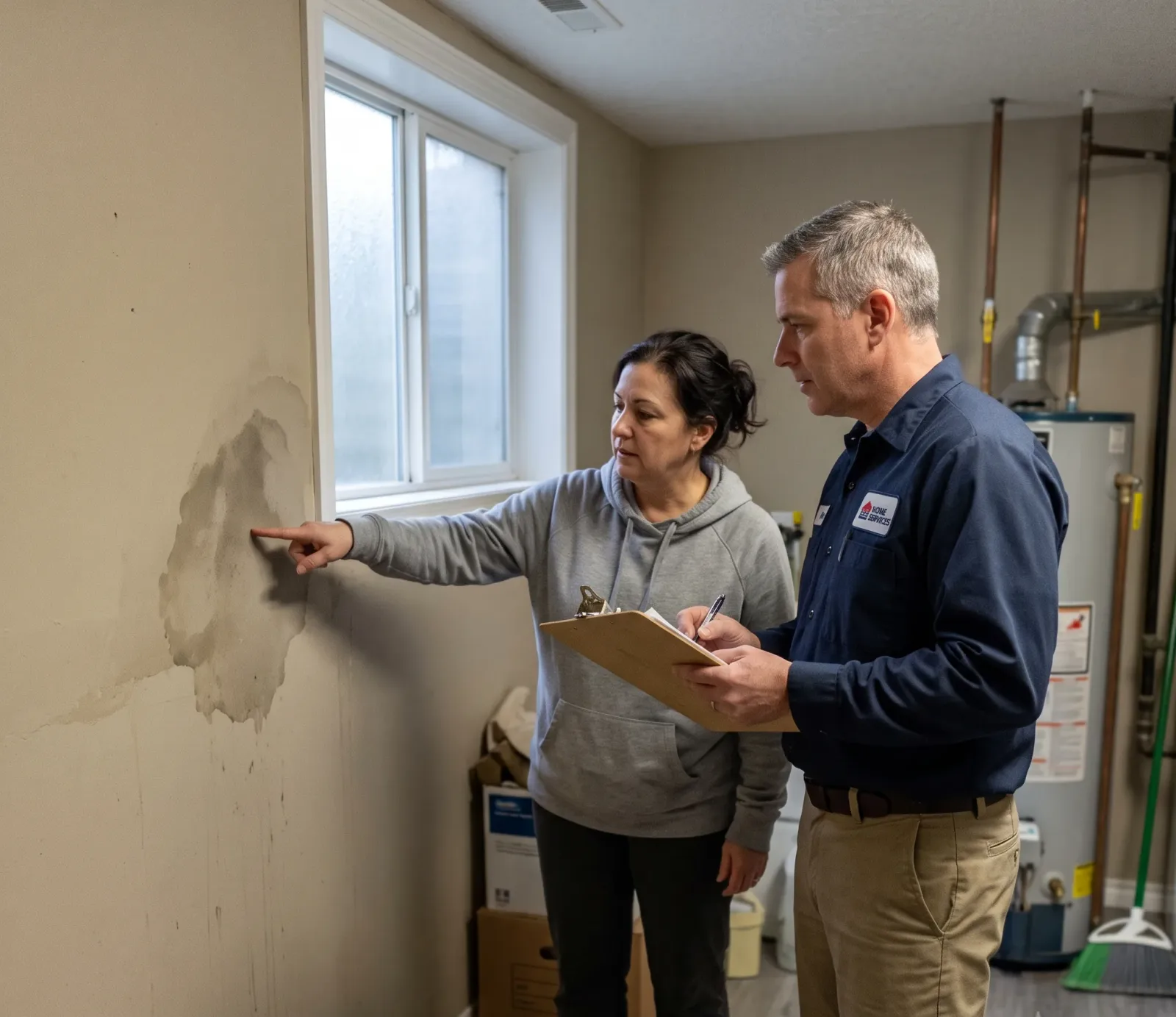
Water across a room can stop ordinary use before the owner knows which surfaces are affected. Water may spread beneath flooring or into wall cavities, leaving hidden areas wet after the visible pooling is gone. Ask for an estimate that identifies the areas included and explains the removal approach. Extraction deals with pooled water that can be reached. It does not show whether flooring, walls, or belongings still hold moisture afterward.
Note any visible changes to flooring or walls before removal begins. The first call should locate water across rooms or surfaces. In Concord, the pros we connect you with assess accessible pooled water and affected areas, then explain the removal work and its limits. Adams Creek, Back Creek, and Coddle Creek are local map references, not proof of a particular home's flood exposure. Ask which materials need drying before planning repairs or rebuilding. Source repairs, remediation, and rebuilding need separate scopes; keep photos and claim papers.
Call (704) 209-7411 or use the online form. Report which rooms have water, how far it has reached, and whether more is entering. Ask the pros we connect you with to confirm availability, timing, and visit charges.
Ask whether the visit includes moving stored items that block access to wet surfaces.
Before removal starts, ask how the work area will be kept safe and have the planned precautions noted in the written scope.
Request a copy of the assessment and estimate before authorizing the listed work. Have the pros we connect you with confirm the written tasks and any warranty terms.
Water can move into seams and spaces beneath flooring, so checking only the exposed surface may miss damp materials that need attention. A written scope helps show which tasks are included and what may require a separate decision. Keep photos and related documents to share with an insurer; they record what was visible but do not settle coverage. A North Union Street address, like one elsewhere in town, needs property-specific flood information. Ask whether the estimate covers extraction only or also assessment and drying.
A source that is still active can keep adding water after pooling begins, so note whether it has stopped.
Before the job starts, ask which tasks the visit includes and request the proposed removal work and fees in writing.
Have the plan spell out standing water removal and moisture concerns, while listing repair of the water source as separate work.
Ask what dampness checks are part of the visit and whether the owner will receive notes or readings.
In Concord, a supply leak that keeps running can refill a cleared patch and extend the affected area while the owner is still locating the shutoff. Stop the flow only when it is safe;
Water passing a doorway can bring a second room into the work area within hours, even when the original pool seemed contained.
In Concord, rain can overwhelm drainage at a particular property, while an indoor leak may leave pooled water on a home or business floor. Water can also collect inside wall cavities, leaving damage hidden behind finished surfaces.
For a home near Coddle Creek in Concord, ask whether the work covers only pooled water or also moisture checks. Find out what drying might be needed for affected materials and whether the written estimate records those steps and findings.
The coverage description names from Concord and Kannapolis to Harrisburg and Mount Pleasant; Cabarrus supplies the larger geographic frame. A Concord owner can identify the affected property when contacting the pros we connect you with, so the request can be considered against the service area.
A shallow pool in one open room may be straightforward to reach; water spread through several rooms, around belongings, or into tight spaces can change what removal involves. For a Concord ranch or split-level, describe each affected area and any access limits instead of assuming the visible water tells the whole story. Include belongings surrounded by water in your description, along with the affected rooms and access limits. The estimate should spell out the areas included.
Keep clear of unsafe water while pros assess access and plan basement water removal.
View Basement Water Extraction help in Concord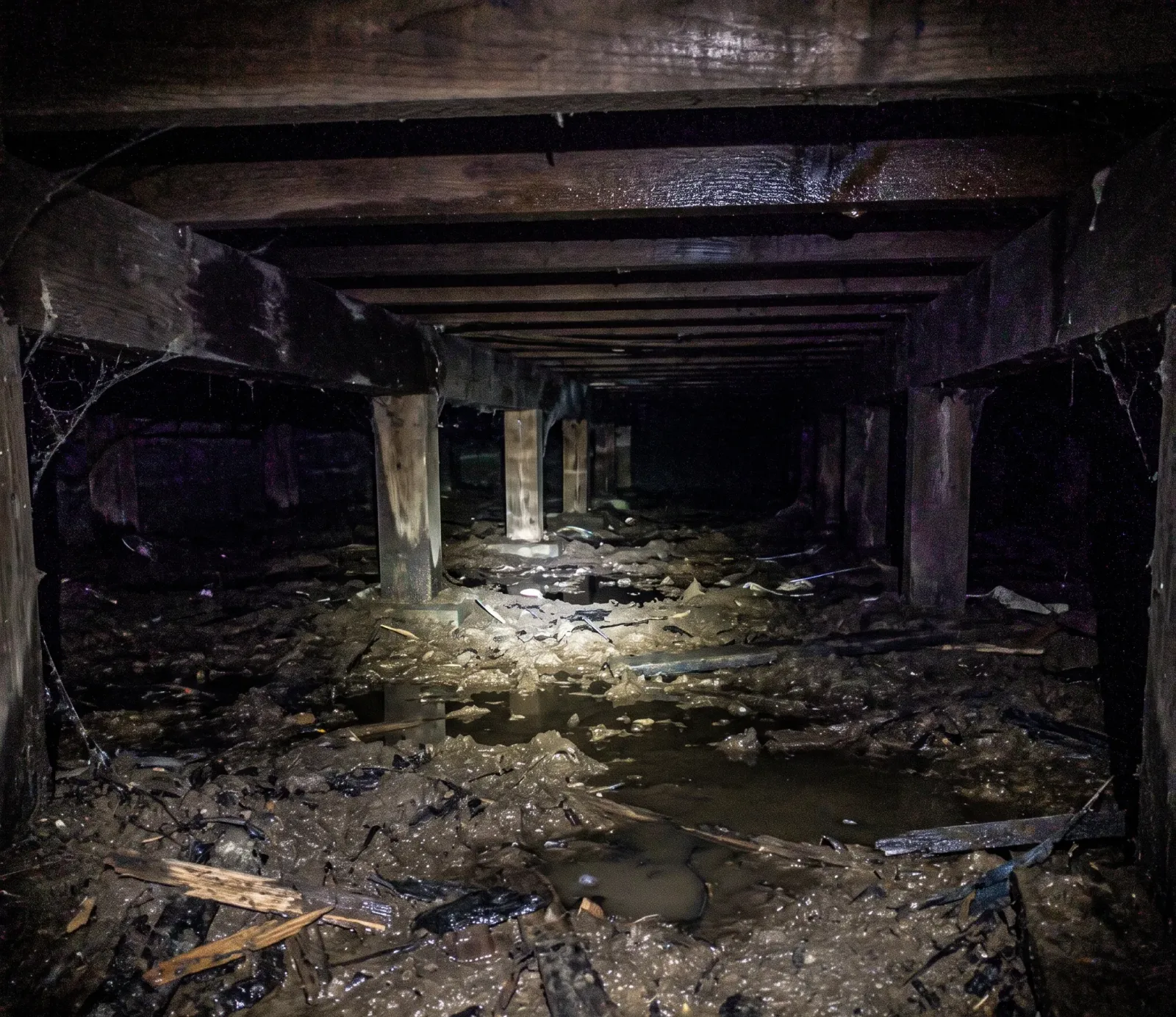
Pooled crawl-space water removal planned around entry, clearance, and safety
View Crawl Space Water Extraction help in Concord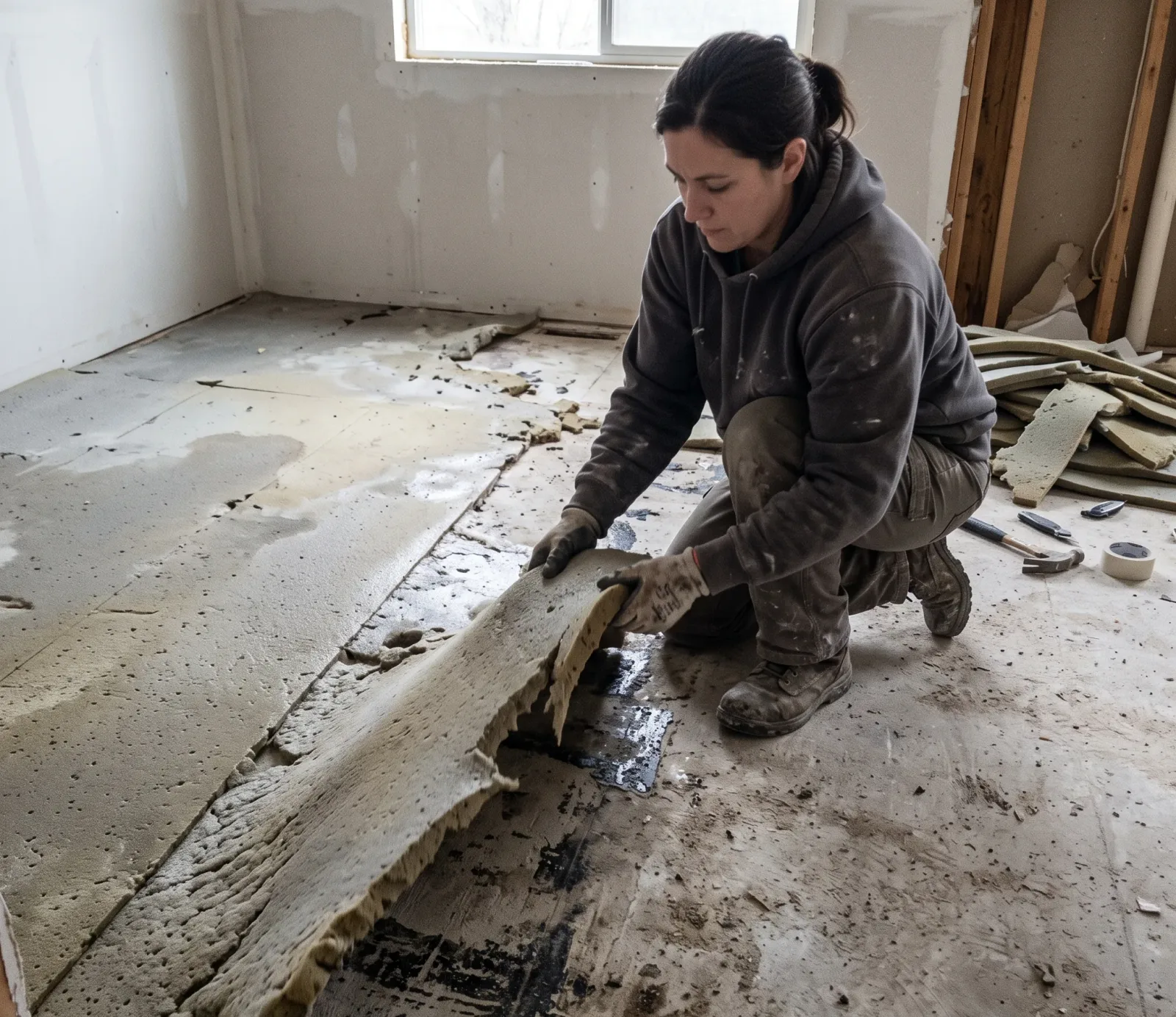
Carpet water extraction considers wet area, pad condition, and access
View Carpet and Pad Water Extraction help in Concord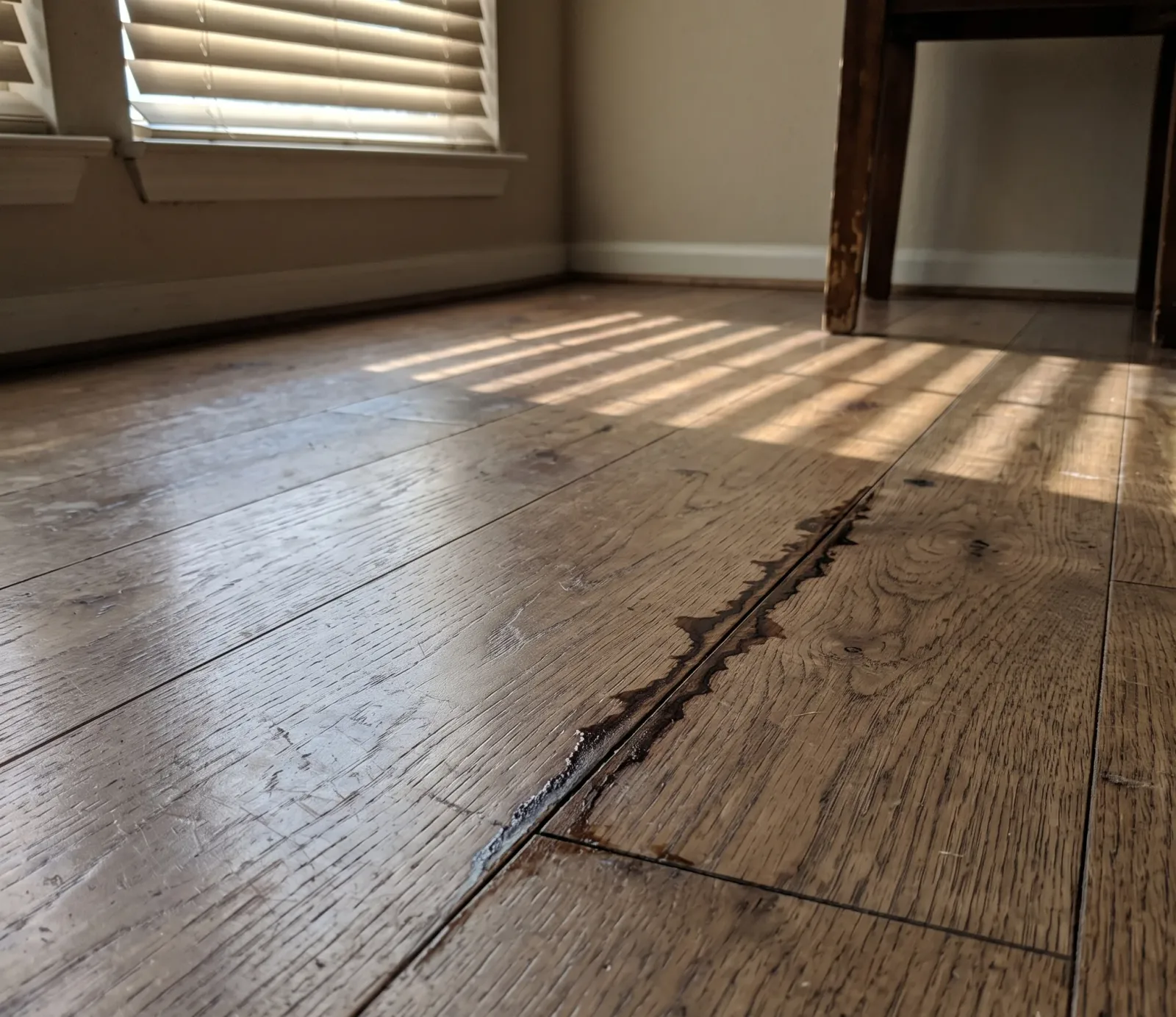
Safe hardwood water pickup starts by checking hazards and floor conditions
View Hardwood Floor Water Extraction help in ConcordConfirm emergency water extraction coverage for your exact address directly with the pros we connect you with.
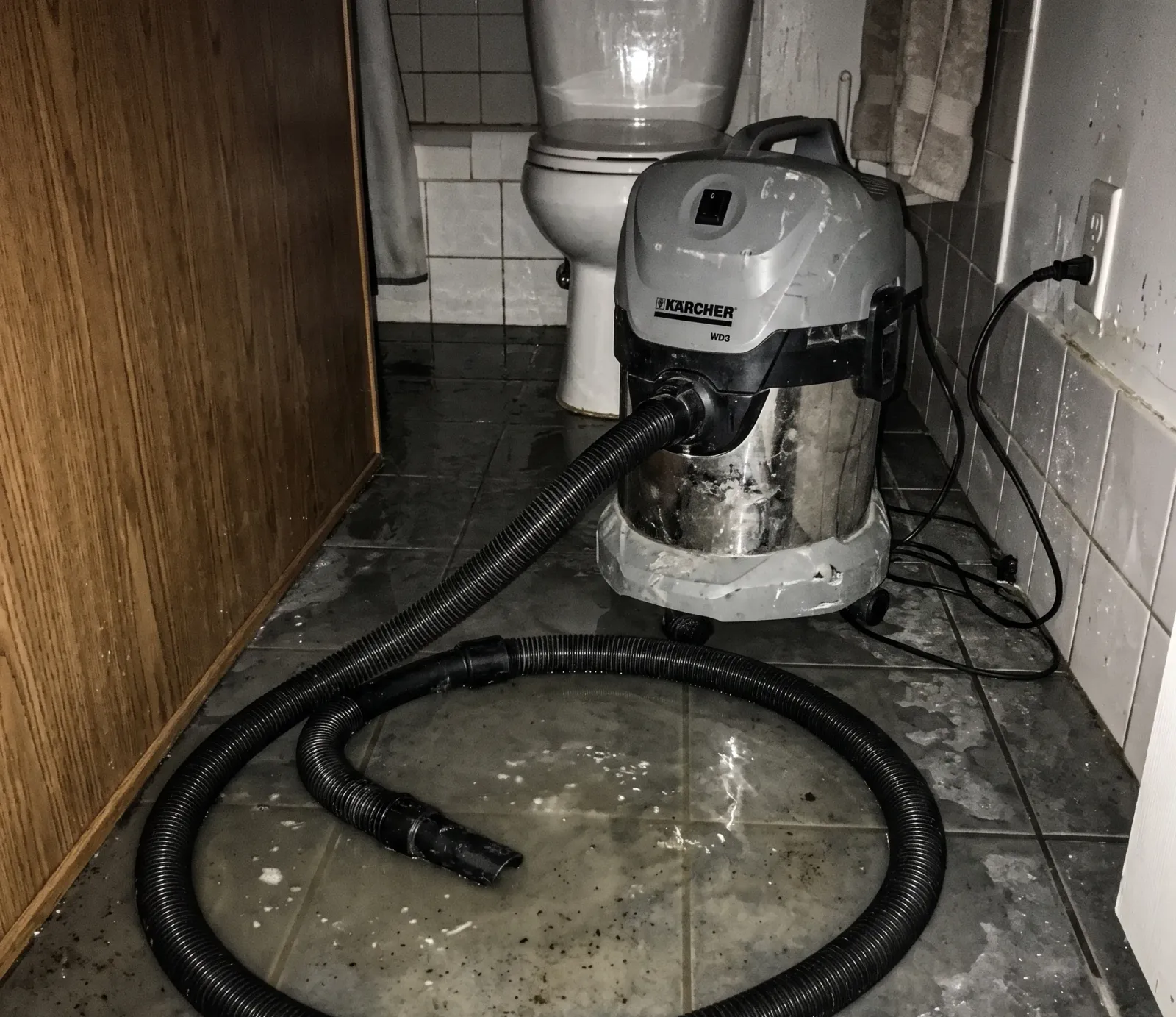
Stop at the edge of standing water if the area’s safety is uncertain; the pros we connect you with can discuss safe access before extraction begins. If the leak is still active, ask the licensed pros we connect you with what needs to happen before water removal can begin. Ask whether the estimate covers moving water-damaged contents for drying or treats that work separately. Ask how moisture checks and drying would be handled after removal, and whether they are part of the estimate. Leak repairs, sewage cleanup, mold work, and rebuilding need separate scopes.
Notes on standing water, moisture checks, and decisions to consider for Concord homeowners.
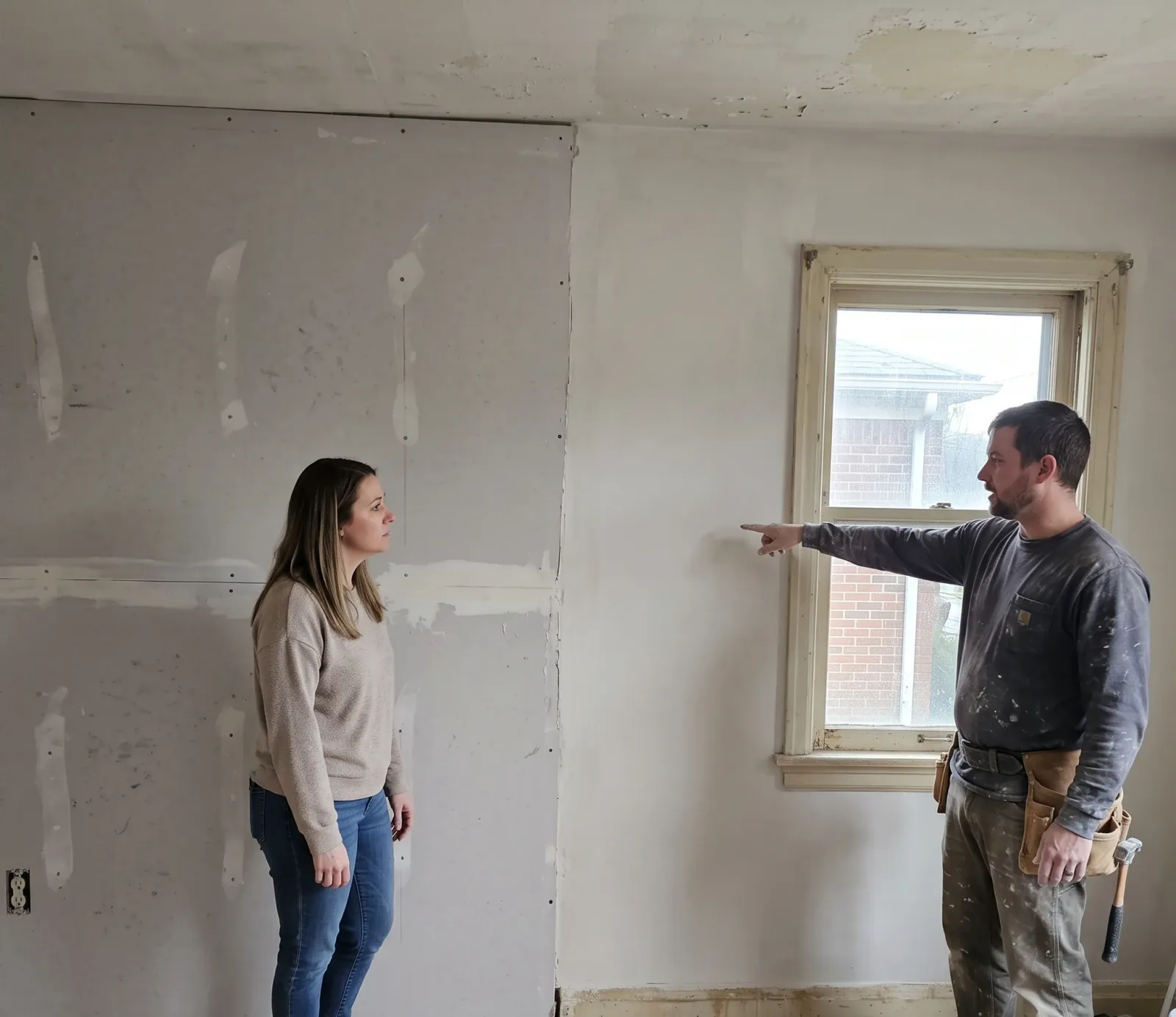
Learn when electrical uncertainty or hidden floor hazards make walking through standing water unsafe, and how to keep people clear while a professional plans a safe assessment.
Read article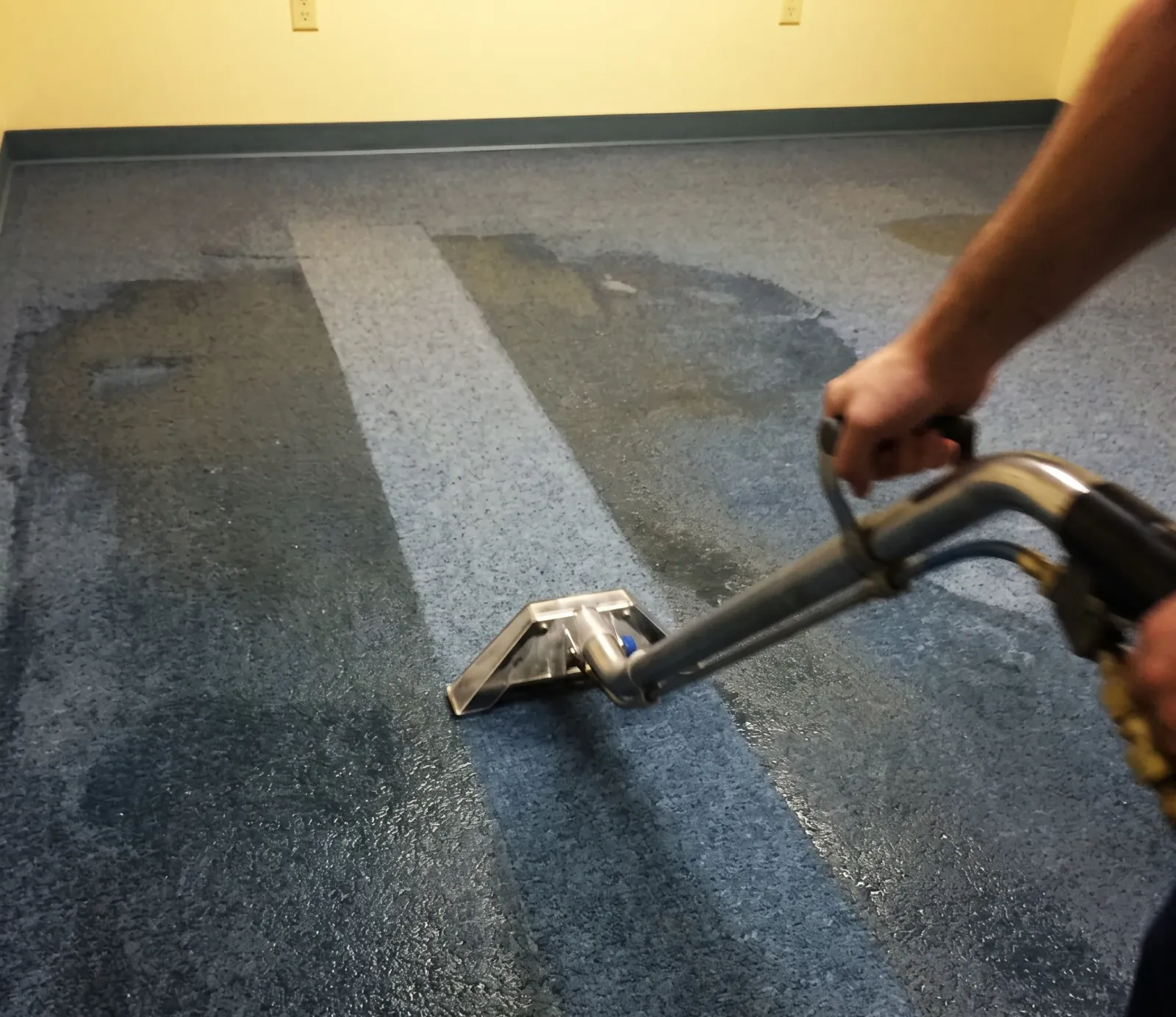
How long does emergency water extraction take in Concord? A continuing water source can change the clock. Learn what a local duration estimate counts and what to ask.
Read article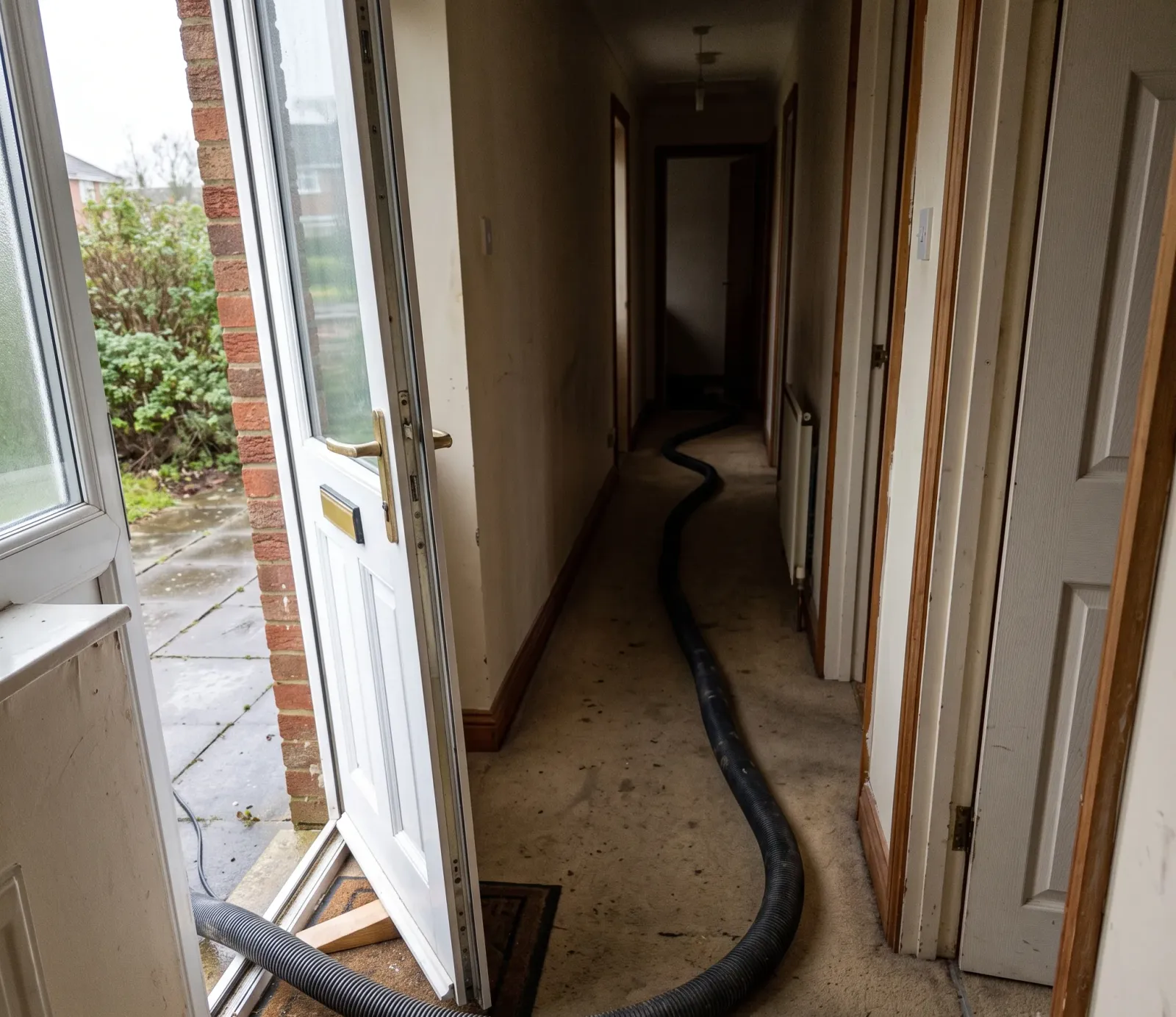
How quickly can extraction help reach a Concord home? Learn what to report, what can affect an arrival estimate, and what to ask while waiting.
Read articleNote any drainage trouble spots related to the affected areas when describing the water. In Concord, flood hazards are documented near rivers, streams, and drainage trouble spots, though that does not establish conditions at any one address. Rocky River and Coddle Creek are useful local reference points when describing where water appeared. Tell the pros we connect you with which rooms are affected and what can be reached safely; that gives them a starting point for discussing removal and preparing a written estimate.
Concord identifies creek, river, and drainage-related flood hazards; exposure still depends on the specific property.
Emergency Water Extraction in ConcordKannapolis coverage spans three listed residential ZIPs; creek proximity alone cannot determine a home's exposure.
Emergency Water Extraction in KannapolisHarrisburg coverage includes ZIP 28075; Rocky River and Back Creek are local context, not proof of a home’s flood exposure.
Emergency Water Extraction in HarrisburgAdams Creek gives Mount Pleasant a local waterway reference; inside homes, equipment access shapes the route for removal work.
Emergency Water Extraction in Mount PleasantWater on the floor is the urgent sign: a failed line, appliance, or intrusion can leave a ranch or split-level with pooled water that needs removal. The source of the water is a separate detail from the visible pooling that needs removal. What matters after extraction is whether flooring or other materials remain damp. The cause and any repairs are separate concerns. What needs removal now, and what may still be damp afterward?
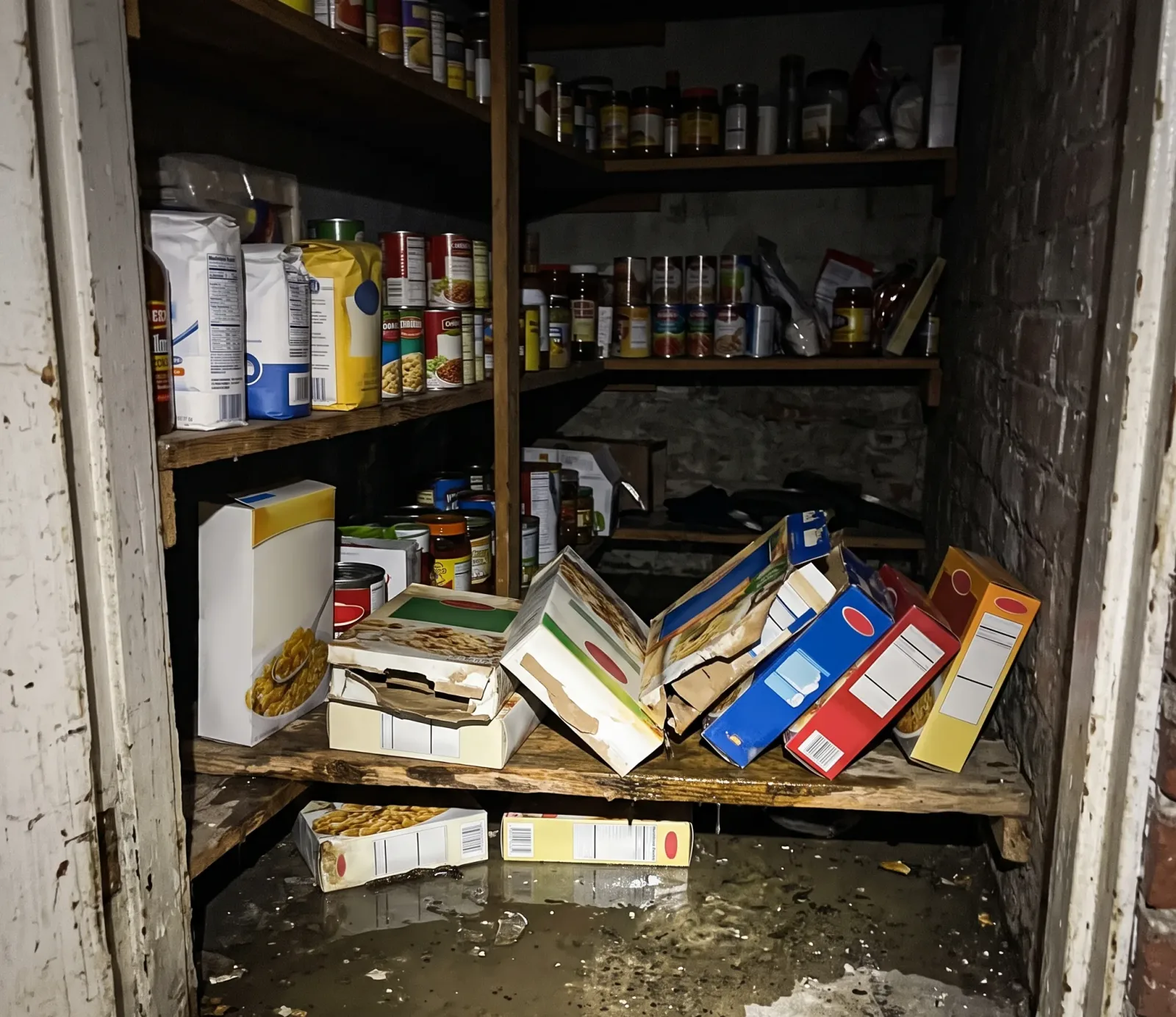
Water covering the lowest stair treads or reaching across more than one basement area can hide changes in floor height and objects that make footing uncertain. The edge of the pool may also extend under a door or behind a partition, so a view from the top of the stairs may not show its full reach. In a Concord home, note the visible boundary and depth from a dry spot. Do not step in to find the bottom or move stored items through the water.
Basement Water Extraction →A glint of water at the hatch can mark only the edge of a larger pool. Joists and supports may hide the rest, so a homeowner should not assume the visible patch is the full area. From dry ground, note where the water appears to begin and whether anything can be seen farther in. Those observations help the pros we connect you with plan a reachable route without asking the owner to crawl inside.
Crawl Space Water Extraction →A wet carpet can feel uneven from one step to the next: one section may compress firmly while another seems to hold a slosh beneath the pile. That contrast can mean water has passed through the backing and collected in the pad. In Concord, the surface alone cannot show how far it reached. Keep household traffic off the soaked area where practical, since repeated steps can push water toward a dry boundary and make the affected footprint harder to judge.
Carpet and Pad Water Extraction →A slick, wet finish can make the room unsafe before the wood shows a clear change. Keep people and pets away, especially if water has reached an outlet, appliance, or cord; do not step in to move furniture or test the floor. Tell the pros we connect you with what is visible from a safe spot. That information helps them decide whether the area needs a safety assessment before hardwood floor water extraction can begin.
Hardwood Floor Water Extraction →Choose Where to Begin
If water may carry sewage or chemicals, or the source is still active, tell the provider; removal does not include contaminant cleanup or leak repair.
The residential guide explains safe preparation, how pooled water is removed, and what to settle with a provider before entry.
If moisture checks, drying plans, or written work descriptions use unfamiliar terms, ask the provider to explain them in everyday language.
Use the visible pool, soaked contents, and affected rooms to frame which removal questions come next.
Look for clear explanations of what water removal covers, how the affected areas will be assessed, and which steps may require separate work. Ask the pros we connect you with to describe their process and provide the proposed work in writing. Ask what you should move or keep clear before the work begins.
Include when the damage first became noticeable and whether it has changed since then. Note any rooms the owner cannot open or areas that need careful access; those details help set the limits of an inspection. In Concord, a landmark such as Harris Depot Park can help clarify directions, but the street address is still useful. Keep the notes factual and point out anything the estimator should see first.
Ask the provider to put the proposed work and its limits in writing before it begins. The owner can then see whether the document covers urgent water removal alone or also lists separate tasks such as leak repair, sewage cleanup, remediation, or rebuilding. For a Concord split-level, make sure the document distinguishes the work discussed for each level. If a line sounds broader than water removal, ask what that line means before agreeing.
Yes. If it is safe, take photos of affected rooms and belongings before moving or discarding items, and note when you first saw the damage. Keep the estimate, work records, invoices, and messages about changes together. These materials can help explain what was present and what water removal work took place; your insurer can say what documentation it needs for the claim.
Do not try to determine whether a wet outlet or appliance is still live. From a dry location, tell a qualified person which room and equipment may be involved, then wait for guidance before anyone approaches that spot. In a Concord home, describe what is visibly wet and where it is; the concern may involve particular equipment rather than every room. That detail helps direct the safety assessment.
Treat extraction, drying, and repairs as separate steps to confirm. Emergency Water Extraction handles urgent water removal; drying may be arranged afterward if moisture remains in building materials, while fixing the leak or other source calls for separate work. The owner should ask which of those tasks the estimate includes. In Concord, an owner in Edgewood can use that distinction to avoid assuming that removal of water also restores the affected space.
Check that the estimate names the areas and tasks, then look for anything described as excluded, optional, or dependent on further assessment. Broad labels can leave room for misunderstanding. Ask the provider to explain unclear entries and identify any charges tied to additional work before agreeing. The owner should be able to connect each listed task to a specific part of the proposed job.
Contact the insurer or its claims representative to learn how the policy applies to the reported loss; only they can explain the policy terms. Ask the insurer whether it wants to inspect the damage before cleanup begins. A Concord owner should keep those two conversations distinct and ask the insurer which information it needs to review the claim.
Note when you first noticed the water and whether anything has changed since then. If you can describe whether it is spreading into other areas, include that too. Do not enter water or approach equipment if safety is uncertain. Water removal handles standing water; stopping an active leak or other source may require separate attention.
Use $700–$1,400 as the planning estimate for Emergency Water Extraction. The provider confirms the figure based on water quantity, materials reached, entry constraints, and the removal work agreed.
An estimate for a Concord property should separate urgent water removal from decisions that follow once the standing water is gone. Ask the pros we connect you with what availability they can offer, whether an assessment visit carries a charge, and what the written scope includes. Photographs of visible water can help an owner keep track of conditions while discussing the proposed scope. That distinction helps an owner judge whether the proposed work addresses extraction alone or includes follow-up steps. Share what is known about the intrusion to discuss scope and next actions.
Call (704) 209-7411