Restaurant Water Extraction
Concord Restaurant Water Extraction
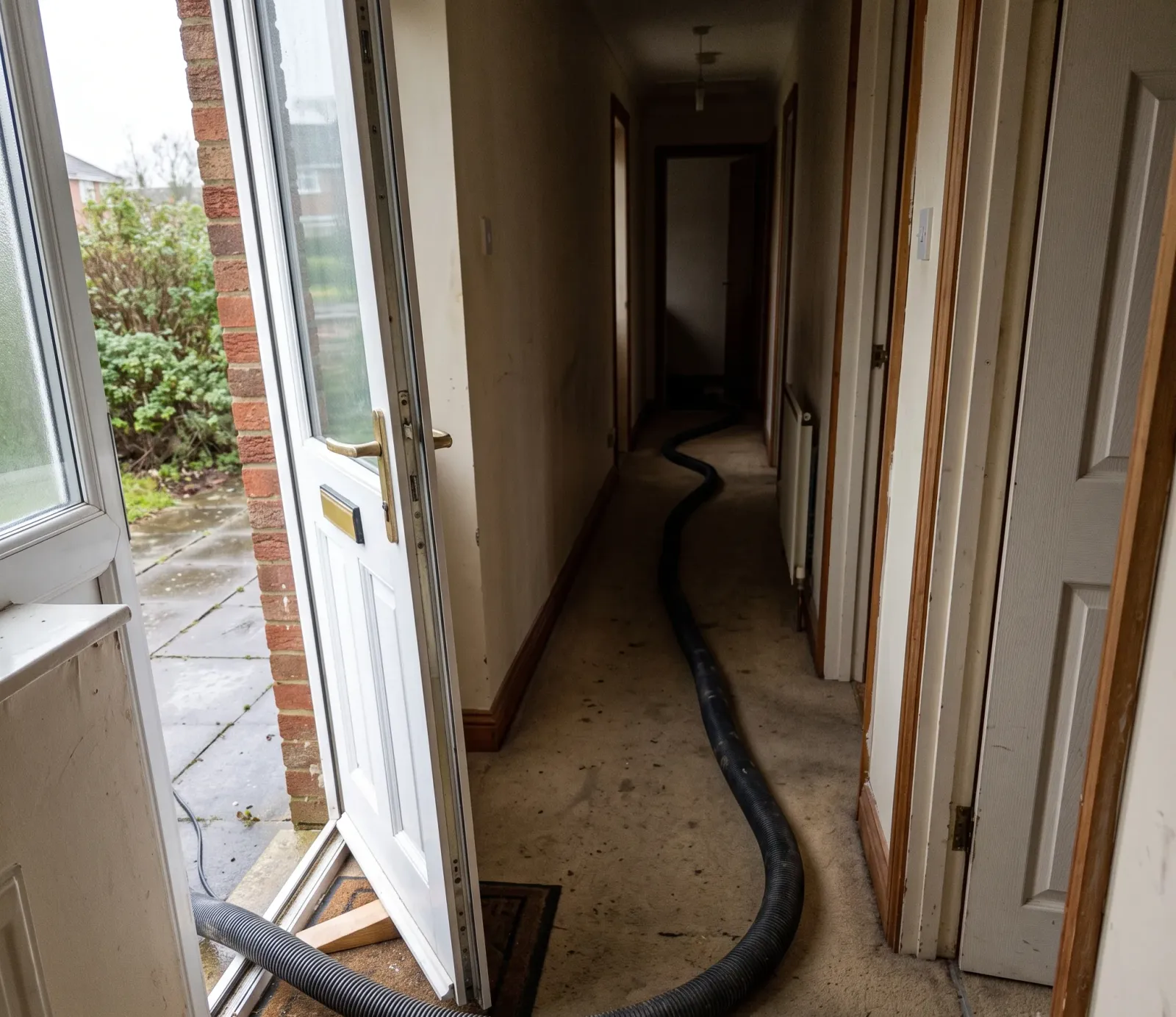
Plan urgent water removal around room access, operating hours, and routes that need to stay open.
Healthcare facilities should identify affected rooms, set access windows and protected routes with the people responsible for operations, and name a contact for changes. Ask an independent provider to define the removal scope; drying and other work may be separate.
Standing water in an occupied care area calls for a plan that protects people before equipment enters. In Concord, healthcare water extraction involves more than choosing an arrival time: facilities staff and clinical operations need to agree on which spaces can be reached, what activity must continue, and who can approve changes. This page follows that sequence, from stopping at unsafe conditions to arranging access and defining removal. The aim is to make urgent hospital water removal fit the site’s operating needs without treating extraction as full restoration.
Start with the activity around the affected space. A procedure, patient transfer, medication delivery, or shift change may make a corridor unavailable at a particular time, even when the room itself is clear. In Concord, facilities and clinical operations can compare those demands with the provider’s expected arrival and working period, then identify a workable window. If waiting would prolong disruption, discuss whether a limited area can be handled first and what coordination that sequence requires.
Give the person arranging service an accurate site description and a reachable contact who can meet the pros we connect you with. Concord addresses can be oriented with familiar references such as North Union Street when that helps clarify the route, but the facility entrance and internal directions matter more. Explain which reception point is in use, whether an escort is required, and how arrival should be coordinated with security or the department responsible for the affected area.
Do not send staff or a provider into standing water when electrical safety is uncertain. Water near outlets, wiring, or powered medical equipment can create a serious hazard; keep people clear and have qualified personnel assess the area before extraction is arranged there. In Concord, the operational plan should identify who can make that safety determination and how the status will be communicated. If the area cannot be approached safely, access timing depends on that assessment, not the normal schedule.
Occupied clinical rooms may contain patients, confidential material, or equipment that cannot simply be moved aside. Before entry, the department lead and facilities contact should specify what must remain untouched, which doors stay controlled, and whether an escort can be present throughout the work. In Concord, those instructions help the extraction provider understand practical limits before arriving. Where a room must remain in use, clarify whether removal can be confined to a defined portion without interfering with care.
| Affected zone | Entry period | Work boundary |
|---|---|---|
| Site contact | Facilities lead and clinical operations lead | Name who can approve entry and coordinate decisions during the work |
| Work timing | Unit schedule and planned service pauses | Flag busy periods and agree when affected rooms can be accessed |
| Arrival route | Facility-approved entrance and equipment path | Keep movement clear of active patient and staff circulation |
| Entry approval | Rooms needing clinical clearance | Hold access until the responsible care lead approves the area |
| Room status | Temporary closure and return-to-use decision | Agree who confirms operations can resume after removal |
| Map cues | Back Creek; Bakers Creek Park; Dale Earnhardt Plaza | Use only as optional Concord orientation cues; confirm the facility entrance directly |
| Removal limit | Rooms and standing water included | Mark the affected footprint and clarify which pooled water is in scope |
| Next handoff | Moisture check and any later work | Discuss drying, cleaning, or restoration as separate follow-up scopes |
Describe the affected zone using the facility’s own room names, floor labels, and access points. Include adjoining rooms or corridors only when there is a reason to inspect or include them; a clear boundary helps clinical teams know what is part of the request. Note visible water and any nearby equipment or materials that may need to be considered during the assessment. A site-level description is what allows the provider to discuss the actual work area.
Agree on how staff will learn that a route or room has changed status during removal. A department handoff, internal notice, or existing access-control process can relay a closure and later update without sending people to check a wet area themselves. In Concord, identify who owns that update and who receives it across affected departments. This matters when clinical activity shifts during the visit: an instruction that was accurate at arrival may need to change before work is complete.
Consider how people and equipment will move through the building while extraction is underway. A route used for patient transport, supplies, or emergency access may need to stay open, so facilities and clinical operations should identify alternate paths or restricted periods before agreeing to entry. Concord’s Rocky River, Coddle Creek, and Irish Buffalo Creek are local water features, but their presence does not show whether a facility is affected. The building’s actual layout and operating needs should guide movement planning.
Ask the provider what removal equipment is expected and what space it needs to operate. Pumps or wet vacuums may collect pooled water, while cords, hoses, and staging can affect a busy clinical environment. In Concord, discuss how equipment will reach the affected zone and where it can be set without obstructing care or facility operations. The method should fit the room and access limits; if the proposed setup conflicts with those limits, raise that before scheduling the work.
Name one facility contact who can confirm the agreed arrival window, arrange entry, and resolve scope questions during the visit. That person should be able to reach both facilities staff and the clinical lead, or know who is covering each role. For a Concord site, also establish how delays or access changes will be relayed if the original contact becomes unavailable. A clear handoff prevents the provider from relying on an outdated instruction while departments assume someone else is coordinating.
Record which rooms show water intrusion and note changes in their condition so the facilities lead can review affected areas as planning continues. Before arranging hospital water removal, the facilities lead should identify which rooms can be entered, which routes must stay open, and who in clinical operations can approve changes as work proceeds. Concord’s Irish Buffalo Creek, Rocky River, and Coddle Creek are local water features, but they do not establish risk at a facility; share site constraints with the pros we connect you with and coordinate access around operating hours.
Commercial water extraction cost can vary with the volume to remove, the area included, equipment access, and the time window available for work. A restricted corridor or short operating window may affect the plan even when the affected zone is small. In Concord, describe those constraints before requesting a scope discussion so the provider can explain what changes the work involved. No estimate can be meaningfully compared if one plan covers different rooms or access conditions than another.
Before setting the visit, facilities and clinical operations should settle the access point, work boundary, safety contact, operating window, and method for notifying affected departments. In Concord, a written scope should make clear which area is being addressed and what removal tasks are contemplated, without suggesting that visible water removal proves the site is dry. If a condition could change the plan, identify who can approve that adjustment. This gives the facility a shared basis for coordinating the work as care continues.
A brief incident record can clarify what changed, which areas are affected, and what facility steps have already taken place. The pros we connect you with can consider the affected zone, route, occupied-area restrictions, and operating hours when discussing emergency water removal in Concord. Before proceeding, the facility may still need answers: who authorizes entry if conditions shift, how will departments hear about a boundary change, and who decides whether drying needs separate attention after extraction?
A brief written record can help distinguish observed water from conditions that still need review. North Union Street, Edgewood, and Rocky River are local references, not a substitute for checking the specific facility. When water is found, note the affected rooms and whether nearby routes remain usable. Share those details with the provider so the work boundary can be discussed against current site conditions, rather than inferred from a city map.
Standing water may call for prompt removal, yet service reach depends on the property address; see the county communities where extraction inquiries may be considered, includingMount Pleasant, Concord and Kannapolis. Before choosing a visit time, clarify whether an onsite review carries a fee; ask the written plan to distinguish pooled water removal from drying.
For a warehouse or multi-room workplace, pricing is commonly built visit by visit and adjusted to the square footage requiring removal and expected repeat attendance. Use $700–$1,400 as a guide; pallet rows, equipment placement, and limited routes to wet sections can affect the work plan.For a Concord business, a wider wet area or difficult access can change the equipment and labor plan, which affects the estimate. When calling, describe which sections hold water, access routes, nearby machinery or contents needing care, and any active source so the pros we connect you with can size the work.Emergency Water Extraction cost ranges appear in pricing guide; commercial overview explains commercial removal and what may follow for damp materials.
Concord Restaurant Water Extraction
Concord Hotel Planning
Campus Water Removal
Set an entry period with the people responsible for room use, then tell the provider which spaces can be reached during that window. Include any periods when work cannot proceed and routes that need to stay open. If patient needs change while equipment is in use, name who can request a pause or adjustment. That gives the response a workable schedule without assuming every room can be entered at once.
Give the provider the correct entrance, check-in instructions, and any escort requirements. Identify rooms that are available for access, doors or corridors that must stay clear, and limits on where equipment can be brought. Provide a contact who can answer questions at the site and relay changes. Clear instructions can prevent delays caused by an arrival at the wrong entrance or an inaccessible work area.
No. Pumps or wet vacuums can take away standing water, but damp flooring or wall materials may remain. Ask whether moisture will be checked and whether drying equipment is a separate phase. Until those materials are assessed, visible water being gone alone is not a sound basis for returning a sensitive room to service.
No. The extraction provider can describe the areas addressed and the remaining work, but the facility should make the room’s return-to-use decision through its own process. The facility may also need to review affected contents before reopening the room. Keep the space out of service until the appropriate facility staff determine it is ready.
Share the affected rooms, access limits, and water conditions with the licensed pros we connect you with to discuss the work scope.
Call (704) 209-7411